2026 Gaming Rights: Key Benefits & Protections for US Consumers
Advertisements
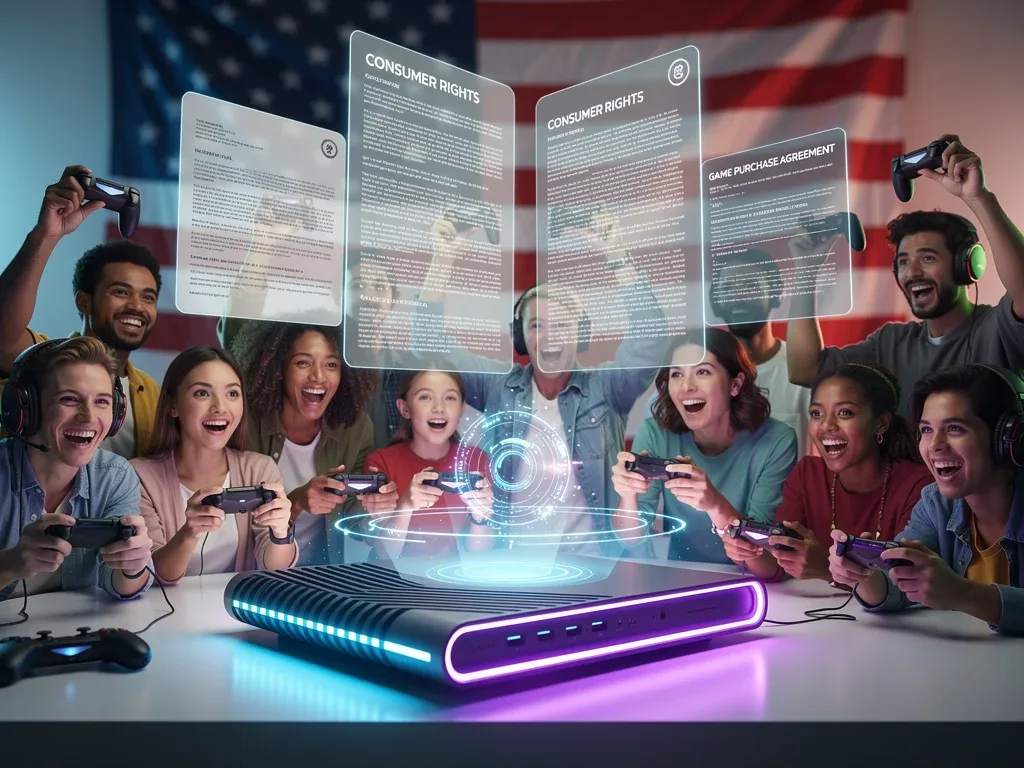
By 2026, US gaming consumers will benefit from enhanced rights and protections, addressing issues like digital ownership, data privacy, and fair monetization practices in the rapidly evolving video game industry.
As the digital landscape of video games continues its rapid evolution, understanding your rights as a consumer becomes more crucial than ever. For US gamers, understanding your 2026 gaming rights means navigating a complex yet increasingly protected environment. This guide will delve into the key benefits and protections designed to empower you in the dynamic world of interactive entertainment, ensuring fair play and transparency.
The Evolution of Digital Ownership in Gaming
The concept of ownership in the digital realm has long been a contentious issue, particularly within the gaming industry. As we approach 2026, significant strides have been made to clarify and solidify what it truly means to ‘own’ a digital game or in-game asset. These advancements aim to provide consumers with greater security and recourse, moving away from the more ambiguous terms of service that once dominated the landscape.
Historically, purchasing a digital game often meant acquiring a license to play, rather than outright ownership. This distinction allowed publishers broad control over access, including the ability to revoke licenses or alter game content without much consumer input. However, the growing demand for clear ownership rights, fueled by consumer advocacy and legal precedents, has pushed for a reevaluation of these practices. The shift is towards a model that grants gamers more tangible rights over their digital purchases, mirroring traditional physical goods more closely.
Clarifying Digital Licenses vs. Ownership
One of the primary areas of focus for 2026 gaming rights is the explicit definition of digital licenses versus true ownership. Legislators and industry bodies are working to establish clearer guidelines that prevent companies from unilaterally removing purchased content or rendering it unplayable without just cause and appropriate compensation. This involves scrutinizing End User License Agreements (EULAs) to ensure they are fair, transparent, and easily understood by the average consumer, rather than being laden with legal jargon.
- Permanent Access Guarantees: New regulations aim to ensure that once a digital game is purchased, consumers retain permanent access, even if the game is delisted from digital storefronts or servers are shut down.
- Transferability of Licenses: Discussions are ongoing regarding the ability to sell or transfer digital game licenses, a right traditionally enjoyed with physical media but largely absent in the digital space.
- Post-Purchase Content Integrity: Protections are being established to prevent significant alterations or removals of game content post-purchase without explicit consumer consent or reasonable alternatives.
The implications of these evolving definitions are profound. They empower consumers with a stronger legal standing, enabling them to challenge practices that might have previously gone unchecked. This doesn’t just protect individual purchases; it fosters a healthier, more trustworthy relationship between game developers, publishers, and their player base, recognizing the significant investment gamers make in their digital libraries.
Enhanced Data Privacy and Security Measures
In an increasingly interconnected world, the data collected by gaming platforms and developers is vast and often highly personal. By 2026, US gaming consumers can expect significantly enhanced data privacy and security measures, building upon existing frameworks like the California Consumer Privacy Act (CCPA) and similar state-level initiatives. These protections are designed to give gamers more control over their personal information and safeguard it from misuse or breaches.
The gaming industry gathers various types of data, from gameplay statistics and spending habits to communication logs and demographic information. While this data can be used to improve gaming experiences and personalize content, it also presents potential risks if not handled responsibly. The new regulations emphasize transparency in data collection, requiring companies to clearly articulate what data is being collected, why, and how it will be used, providing consumers with actionable choices regarding their information.
Understanding Your Data Rights
As part of the strengthened data privacy landscape, US consumers will have clearer rights regarding their personal data in gaming. This includes the right to access, correct, and delete personal information held by gaming companies. Furthermore, companies will face stricter penalties for data breaches and inadequate security protocols, incentivizing robust protection mechanisms. The focus is on proactive measures rather than reactive responses, aiming to prevent data incidents before they occur.
- Right to Know: Consumers can request information about the specific data collected about them, its sources, and how it’s shared.
- Right to Delete: The ability to request the deletion of personal data held by gaming platforms, with certain legal exceptions.
- Right to Opt-Out: Clear mechanisms to opt-out of the sale or sharing of personal data with third parties for targeted advertising or other purposes.
These rights are not merely theoretical; they are backed by enforcement mechanisms that allow consumers to pursue complaints and seek redress if their data privacy is violated. The goal is to cultivate an environment where gamers can enjoy their favorite titles without constant worry about their personal information being exploited or compromised. This proactive approach to data security is becoming a cornerstone of consumer protection in the digital age, reflecting a broader societal shift towards greater personal data autonomy.
Fair Monetization Practices and Loot Box Regulations
Microtransactions, loot boxes, and other in-game monetization strategies have been a significant point of contention for gamers and consumer advocates for years. By 2026, the US gaming landscape is seeing more stringent regulations aimed at ensuring fair monetization practices, particularly concerning loot boxes, which have often been criticized for resembling gambling mechanisms. These regulations seek to protect consumers, especially minors, from predatory practices and promote transparency in virtual purchases.
The debate around loot boxes centers on their randomized nature and the psychological impact they can have, particularly on vulnerable players. While some argue they are a harmless form of entertainment, others point to their potential for fostering compulsive spending and addiction. The new regulatory environment acknowledges these concerns, aiming to strike a balance between allowing developers to innovate monetization models and safeguarding consumer well-being. This includes stricter disclosure requirements and potentially outright bans on certain mechanics if deemed harmful.
Transparency and Consumer Choice
A key aspect of fair monetization practices in 2026 is increased transparency. Gaming companies will be required to disclose the odds of receiving specific items from loot boxes or similar randomized mechanics before purchase. This empowers consumers to make informed decisions rather than relying on chance or unclear probabilities. Additionally, there’s a push for clearer pricing structures and the avoidance of deceptive design patterns that encourage excessive spending.
- Loot Box Odds Disclosure: Mandatory display of probability rates for all items obtainable from randomized virtual purchases.
- Spending Caps and Parental Controls: Enhanced tools for players to set spending limits and more robust parental controls to manage purchases made by minors.
- Clear Pricing Information: Elimination of misleading pricing or virtual currency conversions that obscure the true cost of in-game items.
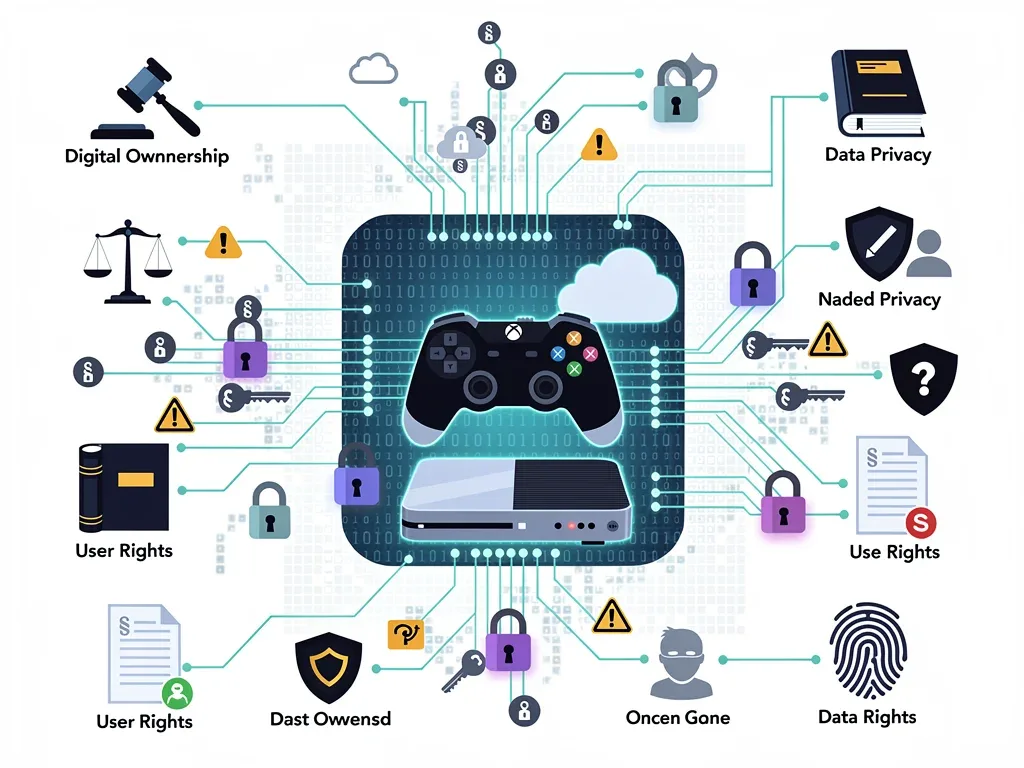
These measures are not intended to eliminate microtransactions entirely but rather to ensure they are implemented ethically and responsibly. The focus is on fostering an environment where value is clear, and consumers feel respected, rather than exploited. This movement towards greater fairness in monetization is crucial for maintaining trust within the gaming community and ensuring the long-term health of the industry, particularly as digital economies continue to expand within games.
Accessibility and Inclusion Standards
The gaming industry has made significant strides in recognizing the importance of accessibility and inclusion, and by 2026, these efforts are being codified into more formal standards and protections for US consumers. These initiatives aim to ensure that video games are enjoyable and playable for a wider audience, including individuals with disabilities, promoting equal access to interactive entertainment.
Historically, accessibility features were often an afterthought, if considered at all. However, driven by passionate advocacy from disabled gamers and increasing awareness within the development community, there’s a growing understanding that accessibility is not just a niche concern but a fundamental aspect of good game design. The new standards encourage developers to integrate accessibility from the ground up, making games more inclusive by default rather than through patches or workarounds.
Mandatory Accessibility Features
New regulations and industry best practices are promoting the inclusion of a range of accessibility features as standard. This includes options for players with visual, auditory, cognitive, and motor impairments. The goal is to remove barriers that prevent millions of potential players from engaging with games, thereby enriching the gaming community as a whole. This proactive approach to design not only benefits disabled gamers but often improves the experience for all players.
- Customizable Controls: Remappable buttons, adjustable sensitivity, and alternative input methods for diverse motor needs.
- Visual Aids: Colorblind modes, adjustable text size, high-contrast options, and clear UI scaling for visual impairments.
- Audio Descriptions and Subtitles: Comprehensive subtitle options, audio cues for important in-game events, and descriptive audio for narrative elements.
- Cognitive Support: Adjustable game speed, difficulty modifiers, and clear objective markers to assist players with cognitive differences.
These accessibility standards are backed by increased awareness and resources for developers, ensuring they have the tools and knowledge to implement these features effectively. The push for greater accessibility is transforming the gaming landscape into a more welcoming and equitable space, allowing more people to experience the joy and camaraderie that gaming offers. It represents a significant step towards making entertainment truly universal, reflecting a broader societal commitment to inclusion.
Consumer Recourse and Dispute Resolution
Despite the best intentions and robust regulations, disputes between consumers and gaming companies can still arise. By 2026, US gaming consumers benefit from clearer and more effective avenues for recourse and dispute resolution. These enhanced mechanisms are designed to provide gamers with fair and timely solutions when issues such as faulty products, unfair bans, or unfulfilled purchases occur, ensuring that their voices are heard and their rights are upheld.
Traditional customer service channels can often be slow or ineffective, leaving consumers frustrated. The new focus is on streamlining these processes and introducing independent oversight where necessary. This includes promoting alternative dispute resolution (ADR) methods, such as mediation and arbitration, as well as strengthening the role of consumer protection agencies in addressing gaming-related complaints. The aim is to move beyond mere customer support to genuine consumer advocacy and protection.
Streamlined Complaint Processes
The updated framework emphasizes accessible and transparent complaint processes. Gaming companies are now required to provide clear, easy-to-find information on how to file a complaint, what to expect, and typical resolution timelines. This reduces ambiguity and empowers consumers to navigate the system more effectively. Furthermore, there’s a greater emphasis on documented interactions, ensuring a clear record of communication and attempts at resolution.
- Standardized Complaint Forms: Universal forms or digital portals for submitting detailed complaints to gaming companies and regulatory bodies.
- Independent Arbitration Options: Access to third-party arbitrators for resolving disputes that cannot be settled directly with the company.
- Regulatory Oversight: Increased involvement of federal and state consumer protection agencies in investigating and mediating gaming-related complaints.
- Class Action Protections: Strengthening consumer rights to participate in class-action lawsuits where individual arbitration clauses are deemed unfair or unenforceable.
These improvements in recourse and dispute resolution are critical for building consumer confidence. Knowing that there are effective channels to address grievances provides a sense of security and encourages responsible behavior from gaming companies. It fosters an environment where accountability is paramount, leading to a more equitable and trustworthy gaming ecosystem for all US consumers. This commitment to fair resolution is a cornerstone of the evolving consumer rights movement in gaming.
Advocacy and Future Protections for Gamers
The landscape of gaming rights is not static; it’s a dynamic field continuously shaped by technological advancements, evolving business models, and persistent consumer advocacy. By 2026, the framework for future protections for US gamers is increasingly proactive, driven by dedicated advocacy groups and a growing understanding among policymakers of the unique challenges and opportunities within the interactive entertainment industry.
Consumer advocacy in gaming has matured significantly, moving beyond individual complaints to organized efforts that influence policy and industry standards. Groups dedicated to gamer rights play a crucial role in identifying emerging issues, educating the public, and lobbying for legislative changes. Their collective voice ensures that the interests of players are represented at all levels, from local communities to federal legislative bodies. This collaborative approach between consumers, advocates, and regulators is vital for anticipating and addressing future challenges.
The Role of Consumer Organizations
Consumer organizations are at the forefront of shaping future gaming rights. They conduct research, publish reports, and engage directly with developers and publishers to promote best practices. These groups often serve as a bridge between the gaming community and legal or regulatory bodies, translating complex technical issues into understandable policy recommendations. Their work is instrumental in ensuring that new technologies, such as cloud gaming or immersive virtual reality, are introduced with robust consumer protections already in place.
- Policy Influence: Actively engaging with lawmakers to draft and support legislation that protects gamer interests.
- Public Education: Informing gamers about their existing rights and emerging issues through campaigns and resources.
- Industry Dialogue: Collaborating with game developers and publishers to encourage voluntary adoption of consumer-friendly practices.
- Monitoring Emerging Trends: Keeping a close watch on new gaming technologies and business models to identify potential consumer protection gaps.
Looking ahead, the focus will likely expand to areas such as the interoperability of digital platforms, the long-term preservation of digital games, and the ethical implications of AI in game development. The continuous vigilance and proactive engagement of advocacy groups, combined with responsive legislative action, are crucial for securing a future where gaming remains a fair, accessible, and enjoyable experience for all US consumers. This ongoing dialogue ensures that consumer protections evolve in step with the innovation of the gaming industry.
| Key Protection Area | Brief Description |
|---|---|
| Digital Ownership | Ensures clearer rights over digital game purchases, moving beyond mere licensing to more tangible ownership. |
| Data Privacy | Strengthens consumer control over personal data collected by gaming platforms, including access and deletion rights. |
| Fair Monetization | Regulates loot boxes and microtransactions, demanding transparency and preventing predatory practices. |
| Accessibility Standards | Promotes mandatory inclusion of features for gamers with diverse abilities, ensuring broader participation. |
Frequently Asked Questions About 2026 Gaming Rights
What does ‘digital ownership’ mean for my games in 2026?▼By 2026, digital ownership in gaming is moving towards granting consumers more tangible rights, resembling physical goods. This means clearer guarantees for permanent access to purchased games, even if delisted, and potential for transferability, reducing publishers’ unilateral control over your digital library.
How will my data privacy be protected in online gaming by 2026?▼Enhanced data privacy measures by 2026 will give US gamers greater control over personal information. You’ll have rights to access, correct, and delete data, with stricter regulations on collection, usage, and sharing. Companies face higher penalties for breaches, promoting robust security protocols and transparency.