Beyond the App Store: 3 Alternative Mobile Game Platforms
Advertisements

Beyond the traditional App Store and Google Play, several dynamic alternative platforms are emerging, providing innovative avenues for discovering and releasing new mobile games with unique benefits for both players and developers.
For years, mobile gaming has largely revolved around two colossal ecosystems: Apple’s App Store and Google Play. While these platforms offer unparalleled reach, they also present significant challenges for discoverability and monetization. Today, we’re exploring Beyond the App Store: Discovering 3 Alternative Platforms for New Mobile Game Releases, offering fresh perspectives and exciting opportunities for both players and developers seeking something different.
the evolving landscape of mobile game distribution
The mobile gaming industry is a behemoth, constantly expanding and innovating. However, the duopoly of the App Store and Google Play has long dictated the terms of engagement. While convenient, this centralization has inadvertently created bottlenecks, making it increasingly difficult for new, innovative games to stand out amidst the sheer volume of releases. Developers often grapple with stringent policies, high commission rates, and an algorithm-driven discoverability system that can favor established titles or those with substantial marketing budgets.
Players, on the other hand, might find themselves in a loop of familiar genres and monetization strategies. This environment has fostered a growing demand for alternatives, spaces where creativity can flourish, and where new mobile game releases can find their niche without being swallowed by the mainstream. This shift isn’t just about escaping fees; it’s about fostering a more diverse and equitable ecosystem for mobile game development and consumption.
challenges with traditional app stores
- Discoverability Crisis: Millions of apps make it nearly impossible for new titles to gain visibility organically.
- High Commission Rates: Developers often cede a significant portion of their revenue, impacting profitability.
- Strict Content Policies: Guidelines can sometimes stifle innovation or lead to lengthy approval processes.
- Algorithmic Bias: Search and feature algorithms often favor games with existing popularity or large marketing spends.
The limitations of traditional app stores have prompted a search for new avenues. These alternative platforms are not just mirrors of the existing stores; they often come with their own philosophies, focusing on curated content, specific niches, or more favorable terms for developers. This diversification is healthy for the industry, pushing boundaries and challenging the status quo.
In essence, the desire to look beyond the App Store and Google Play stems from a collective yearning for greater control, better financial models, and a more vibrant, diverse content library. It’s a movement towards decentralization, driven by the needs of both creators and consumers in a rapidly evolving digital landscape.
platform 1: itch.io – the indie game haven
When discussing alternative platforms for new mobile game releases, itch.io invariably comes to mind, especially for indie developers and players who appreciate unique, experimental, and often unconventional gaming experiences. Originally a PC-centric platform, itch.io has expanded significantly, embracing mobile games with open arms. Its philosophy is rooted in empowering creators, offering unparalleled flexibility in terms of pricing, distribution, and community engagement. This makes it a stark contrast to the more rigid structures of mainstream app stores.
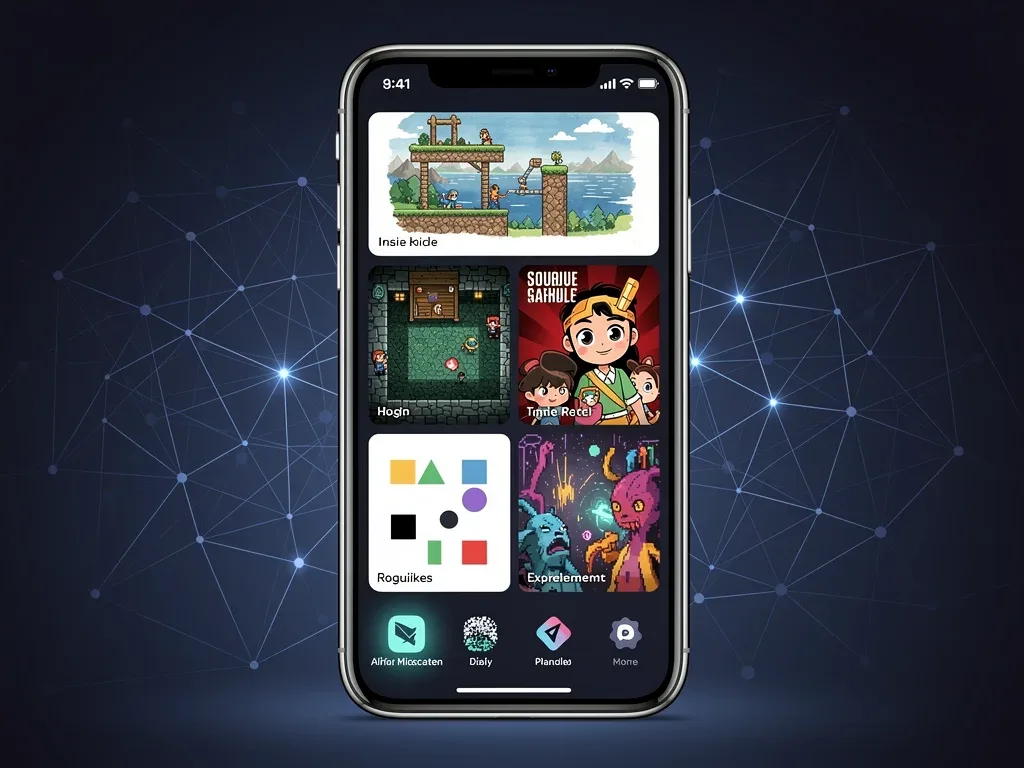

Developers on itch.io can set their own revenue share, even opting for 100% of the proceeds, though a voluntary contribution model is common. This level of financial autonomy is almost unheard of in the traditional mobile app ecosystem. For players, itch.io offers a treasure trove of games that might never see the light of day on larger platforms, ranging from narrative-driven experiences to quirky experimental titles. The platform’s strong community focus also allows for direct interaction between players and developers, fostering a collaborative environment.
why itch.io stands out
- Developer-Centric Model: Unrivaled control over pricing, distribution, and revenue share.
- Diverse Content: A haven for experimental, niche, and art-focused mobile games.
- Strong Community: Direct engagement between players and creators, fostering feedback and collaboration.
- Flexible Publishing: Fewer restrictions on content and update cycles compared to major stores.
The appeal of itch.io lies in its grassroots approach. It’s a platform built by and for creators, prioritizing artistic expression and direct connection over mass-market appeal. This makes it an ideal launchpad for new mobile game releases that aim to break conventions or target specific, passionate audiences. While it may not offer the same vast audience as the App Store, the quality of engagement and the freedom it provides are invaluable for many indie developers.
Ultimately, itch.io represents a powerful counter-narrative to the corporate-driven mobile gaming landscape, proving that viable alternatives exist for those willing to explore beyond the well-trodden paths. It champions independence and innovation, making it a crucial player in the discussion of alternative mobile game platforms.
platform 2: epic games store (mobile) – a growing contender
While the Epic Games Store is most known for its impact on PC gaming, its foray into mobile game distribution is quickly establishing it as a significant alternative platform. Epic’s strategy, particularly with Android, directly challenges the established mobile giants by offering developers a much more favorable revenue split—typically 88% for developers compared to the standard 70% on other platforms. This aggressive stance on developer compensation is a major draw, attracting both established studios and indie creators looking for better financial terms.
The Epic Games Store on mobile isn’t just about better revenue; it’s also about leveraging Epic’s existing ecosystem, including popular titles like Fortnite, to create a robust and interconnected gaming experience. For players, this means access to high-quality games, often with exclusive content or launch deals that aren’t available elsewhere. The platform also emphasizes curation, aiming to present a more focused selection of games rather than an overwhelming catalog.
epic games store advantages
- Favorable Revenue Share: Developers retain 88% of earnings, a significant improvement.
- Strong Brand Recognition: Leveraging the Epic Games ecosystem and player base.
- Curated Selection: Focus on quality and potentially exclusive titles.
- Direct Competition: A strong alternative challenging the traditional mobile app store model.
Epic’s commitment to disrupting the status quo extends beyond just financial incentives. They are investing in tools and services that simplify the publishing process and enhance the player experience. This includes robust anti-cheat measures, cross-play capabilities, and integrated social features, all designed to create a premium gaming environment. For new mobile game releases, launching on the Epic Games Store can mean immediate access to a dedicated and engaged player base, particularly those already familiar with Epic’s other offerings.
As the platform matures, it is poised to become an even more formidable competitor in the mobile gaming space. Its financial model, combined with a strong focus on quality and player experience, positions it as a compelling alternative for developers seeking to maximize their returns and for players looking for premium mobile titles outside the usual channels. The Epic Games Store is actively shaping the future of mobile game distribution, proving that innovation and competition can lead to better outcomes for everyone involved.
platform 3: amazon appstore – leveraging an existing ecosystem
The Amazon Appstore, while not as often discussed in the context of indie disruption as itch.io or as a direct competitor to Google Play as the Epic Games Store, holds a unique and powerful position as an alternative platform for new mobile game releases. Its strength lies in its deep integration with Amazon’s vast ecosystem, particularly with Kindle Fire devices and other Amazon hardware. For developers, this means access to a dedicated audience already accustomed to purchasing content through Amazon’s trusted storefront.
While the revenue share is more in line with traditional app stores (70/30), the Amazon Appstore offers unique promotional opportunities and a less saturated market compared to Google Play. Developers can leverage Amazon’s robust advertising and marketing tools, and their games can be featured prominently on Amazon devices, providing a significant boost in visibility. For players, it’s a convenient way to discover games, especially if they are already invested in the Amazon ecosystem, offering a streamlined purchasing and playing experience.
amazon appstore benefits
- Integrated Ecosystem: Seamless experience for users of Kindle Fire and other Amazon devices.
- Targeted Audience: Access to Amazon’s loyal customer base, often eager for new content.
- Promotional Opportunities: Leverage Amazon’s marketing and featuring capabilities.
- Less Competition: Potentially higher discoverability compared to Google Play’s crowded market.
The Amazon Appstore also provides developers with a comprehensive suite of tools, including Amazon Web Services (AWS) integration for backend support, analytics, and in-app purchasing APIs. This makes it a robust option for developers looking for a stable and supportive environment for their new mobile game releases. While it might not be the first choice for every indie developer, its strategic advantages for specific types of games and target audiences are undeniable.
Moreover, Amazon’s continuous investment in its gaming initiatives, including Luna cloud gaming, suggests a long-term commitment to the gaming sector. This evolving landscape means the Amazon Appstore will likely continue to grow in relevance as a significant alternative, particularly for developers seeking to tap into a distinct segment of the mobile gaming market. It offers a blend of familiarity and unique opportunities, making it a compelling choice for those looking beyond the dominant app stores.
navigating alternative platforms: considerations for developers
Choosing to launch new mobile game releases on alternative platforms requires careful consideration. While the benefits of increased revenue share, better discoverability, and greater creative freedom are enticing, developers must also weigh the potential trade-offs. Each platform comes with its own set of rules, technical requirements, and audience demographics. Understanding these nuances is crucial for a successful launch and sustained engagement.
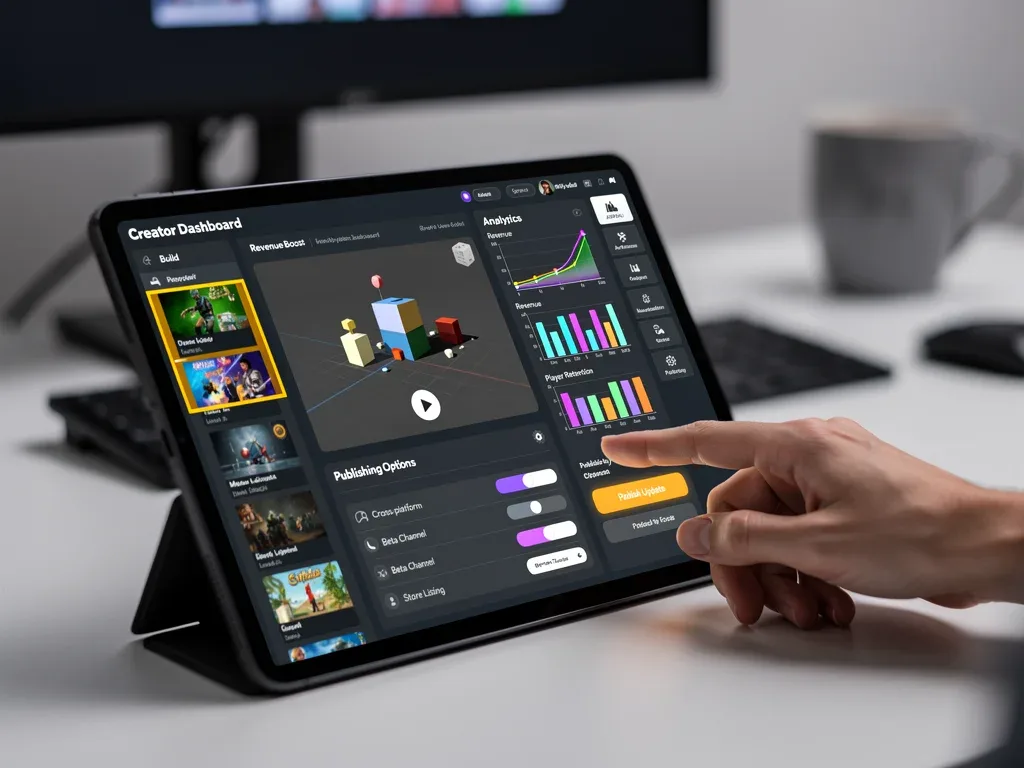
One primary consideration is audience reach. While alternative platforms offer dedicated communities, their overall user base might be smaller than the giants. This necessitates a targeted marketing strategy, focusing on engaging the specific communities prevalent on each platform. Developers might also need to adapt their game’s monetization model or features to align with the expectations of users on these different stores. For instance, a platform known for premium, ad-free experiences might not be the best fit for an ad-supported free-to-play title without significant adjustments.

key developer considerations
- Audience Demographics: Tailoring content and marketing to specific user bases.
- Technical Requirements: Adhering to platform-specific SDKs and submission guidelines.
- Monetization Strategies: Adapting in-app purchases, ads, or premium models.
- Marketing and Promotion: Developing targeted strategies for smaller, niche platforms.
Furthermore, managing multiple distribution channels can add complexity to the development and update cycle. Developers need robust tools and processes to handle different builds, analytics, and customer support across various platforms. However, the potential for greater control over intellectual property and direct relationships with players often outweighs these operational challenges.
Ultimately, the decision to venture into alternative platforms for new mobile game releases is a strategic one. It’s about finding the right balance between reach, revenue, and creative control. By carefully evaluating each platform’s unique offerings and aligning them with their game’s vision and business goals, developers can unlock new opportunities and contribute to a more diverse and vibrant mobile gaming ecosystem. The landscape is changing, and those willing to adapt will reap the rewards.
the player’s perspective: discovering new mobile game experiences
For players, the emergence of alternative platforms for new mobile game releases is nothing short of a revolution in discovery. Tired of endless clones, aggressive monetization, and algorithm-driven recommendations that often lead to more of the same, many mobile gamers are actively seeking fresh experiences. Alternative stores like itch.io, the Epic Games Store (mobile), and the Amazon Appstore provide curated selections, unique indie titles, and often more community-driven environments where genuine innovation thrives.
These platforms allow players to break free from the echo chamber of top charts and editor’s picks on mainstream stores. On itch.io, for instance, players can dive into experimental games, narrative adventures, and titles that prioritize artistic expression over commercial viability. The Epic Games Store, with its focus on quality and exclusive content, often brings premium mobile experiences that might otherwise be overlooked. The Amazon Appstore, meanwhile, offers a seamless experience for users already integrated into their ecosystem, providing a convenient way to expand their gaming library.
benefits for players
- Unique Game Discovery: Access to diverse, often unconventional titles not found elsewhere.
- Curated Content: Platforms often focus on quality over quantity, leading to better games.
- Community Engagement: Opportunities to interact directly with developers and fellow players.
- Variety in Monetization: More options beyond free-to-play with aggressive in-app purchases.
Beyond just game discovery, these alternative platforms often foster a stronger sense of community. Players can directly support indie developers, participate in beta tests, and provide feedback that genuinely shapes the games they love. This level of engagement creates a more personal and rewarding gaming experience, moving beyond mere consumption to active participation.
Moreover, the increased competition among platforms can lead to better deals, exclusive content, and more player-friendly policies. As developers gain more options for distribution, they are empowered to create games that truly resonate with their audience, rather than conforming to the lowest common denominator for mass appeal. For the avid mobile gamer, exploring these alternative platforms is an exciting journey into the future of mobile gaming, promising a richer, more diverse, and engaging landscape.
the future of mobile gaming: decentralization and innovation
The trajectory of mobile gaming is undeniably heading towards greater decentralization and a surge in innovation, largely driven by the rise of alternative platforms for new mobile game releases. The days of a two-horse race in app distribution are slowly but surely receding, making way for a more diverse and competitive ecosystem. This shift is not merely a trend; it represents a fundamental change in how games are developed, distributed, and consumed on mobile devices. Developers are gaining more power, and players are benefiting from a wider array of choices and higher quality content.
As these alternative platforms mature, we can expect to see even more specialized stores catering to specific genres, art styles, or even monetization models. This fragmentation, while potentially challenging for developers in terms of multi-platform management, ultimately fosters an environment where niche games can thrive and experimental concepts can find an audience. The competition among platforms will also push for better developer tools, more transparent policies, and more enticing revenue shares, further empowering creators.
trends shaping the future
- Increased Developer Autonomy: Greater control over content, pricing, and distribution.
- Niche Market Growth: Platforms catering to specific gaming communities and preferences.
- Blockchain Integration: Potential for decentralized game ownership and in-game economies.
- Enhanced Player Choice: A richer and more diverse selection of mobile games.
Furthermore, the integration of new technologies like blockchain and NFTs, while controversial, could find fertile ground on these alternative platforms, offering new models for game ownership, in-game economies, and player-developer interaction. These innovations, often difficult to implement within the confines of traditional app store policies, can be explored more freely on platforms willing to embrace emerging tech.
In conclusion, the future of mobile gaming is bright and multifaceted. The rise of alternative platforms for new mobile game releases is a testament to the industry’s dynamism and its capacity for self-correction. It promises a future where creativity is rewarded, developers have more control, and players have an unprecedented wealth of engaging experiences at their fingertips. This ongoing evolution ensures that mobile gaming remains at the forefront of digital entertainment, constantly reinventing itself.
| Key Platform | Key Benefit |
|---|---|
| itch.io | Developer control and indie game focus. |
| Epic Games Store (Mobile) | Favorable 88% revenue share for developers. |
| Amazon Appstore | Leverages Amazon’s vast ecosystem and devices. |
| General Trend | Decentralization and increased innovation in mobile gaming. |
Frequently asked questions about alternative mobile game platforms
Why should developers consider alternative mobile game platforms?▼Developers should consider alternative platforms due to better revenue shares, increased discoverability for niche titles, and greater creative freedom. These platforms often provide more direct community engagement and less stringent content policies, fostering a more developer-friendly environment away from the crowded mainstream stores.
Are games on alternative platforms safe and reliable?▼While mainstream stores have robust vetting, many alternative platforms also prioritize security. Itch.io relies on community trust and developer reputation, while Epic Games Store and Amazon Appstore have their own security protocols. Players should always exercise caution, but reputable alternative platforms generally offer safe and reliable gaming experiences.
What kind of games can I expect to find on itch.io?▼Itch.io is known for its diverse collection of indie games, ranging from experimental art games and narrative experiences to unique puzzles and platformers. It’s a hub for developers pushing creative boundaries, so expect to find titles that often deviate from mainstream mobile gaming trends and focus on innovation.
How does the Epic Games Store (mobile) benefit players?▼Players benefit from the Epic Games Store (mobile) through access to high-quality, often exclusive titles and potentially better deals. The platform’s curated approach ensures a more focused selection of games, and its integration with Epic’s broader ecosystem can lead to enhanced features like cross-play and integrated social experiences.
Is the Amazon Appstore a good option for all mobile gamers?▼The Amazon Appstore is particularly beneficial for users already within the Amazon ecosystem, especially Kindle Fire device owners. It offers convenient game discovery and purchasing. While it has a broad selection, its appeal might be stronger for those who value integration with Amazon’s services over exploring highly niche or experimental indie titles.
conclusion
The landscape of mobile game distribution is undergoing a significant transformation, moving beyond the long-standing dominance of the App Store and Google Play. As explored, platforms like itch.io, the Epic Games Store (mobile), and the Amazon Appstore are carving out vital spaces for new mobile game releases, each offering distinct advantages for both creators and consumers. This diversification fosters a healthier, more competitive, and ultimately more innovative environment, ensuring that the future of mobile gaming is rich with choice, creativity, and new possibilities for everyone involved.