Dynasty Builders 5: Early Game Resource Management Guide 2026
Advertisements
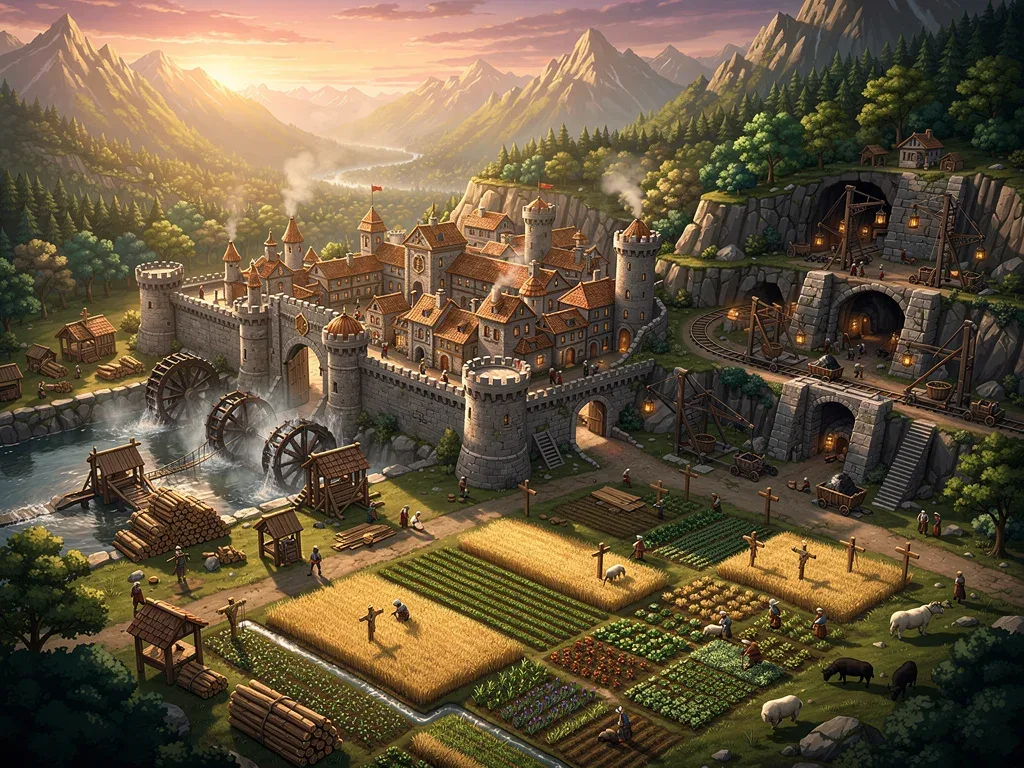
Mastering early game resource management in Dynasty Builders 5 is crucial for establishing a robust economy, enabling rapid expansion, and securing long-term prosperity against competitors.
Embarking on a new campaign in “Dynasty Builders 5” can be both exhilarating and daunting. The early game sets the stage for your entire empire, and central to that success is effective resource management. This comprehensive 2026 guide is designed to equip you with the knowledge and strategies needed to maximize your early game economy, turning initial struggles into a foundation for a powerful dynasty.
Understanding the Core Economy Loop
The economy in “Dynasty Builders 5” operates on a fundamental cycle of production, consumption, and trade. Grasping this loop is paramount for any aspiring ruler. Initially, your focus must be on meeting basic needs while simultaneously laying groundwork for future expansion. Neglecting any part of this cycle will lead to bottlenecks and stagnation.
Early game resources typically include food, wood, stone, and a basic form of currency. Each plays a distinct role in your city’s development. Food sustains your population, wood is essential for construction, stone for more advanced buildings and defenses, and currency facilitates trade and specialized services. A balanced approach ensures no single resource becomes a critical shortage.
Prioritizing Initial Resource Gathering
Upon starting, your first few decisions regarding resource gathering are critical. It’s not just about what to gather, but how to gather it efficiently. Strategic placement of your first resource buildings can significantly impact your early game momentum.
- Food Production: Immediately establish farms or fishing huts. A starving population is a discontented one, leading to decreased productivity and potential unrest. Aim for a slight surplus.
- Wood Collection: Wood is the backbone of early construction. Place lumber camps strategically near dense forests, ensuring a steady supply for new buildings and tools.
- Stone Quarrying: While not as immediate as wood, stone becomes vital quickly for advanced structures and fortifications. Identify accessible stone deposits early and plan for their eventual exploitation.
Understanding the interplay between these initial resources allows for a smoother transition into more complex economic phases. Over-investing in one resource at the expense of another can create imbalances that are difficult to correct later on. Focus on sustainability before scaling.
Strategic Worker Placement and Efficiency
Worker allocation is perhaps the most underappreciated aspect of early game success in “Dynasty Builders 5.” Simply assigning workers to tasks isn’t enough; optimizing their placement and ensuring their well-being directly translates to increased resource output. Every citizen has a role, and placing them in the right spot can significantly boost your economy.
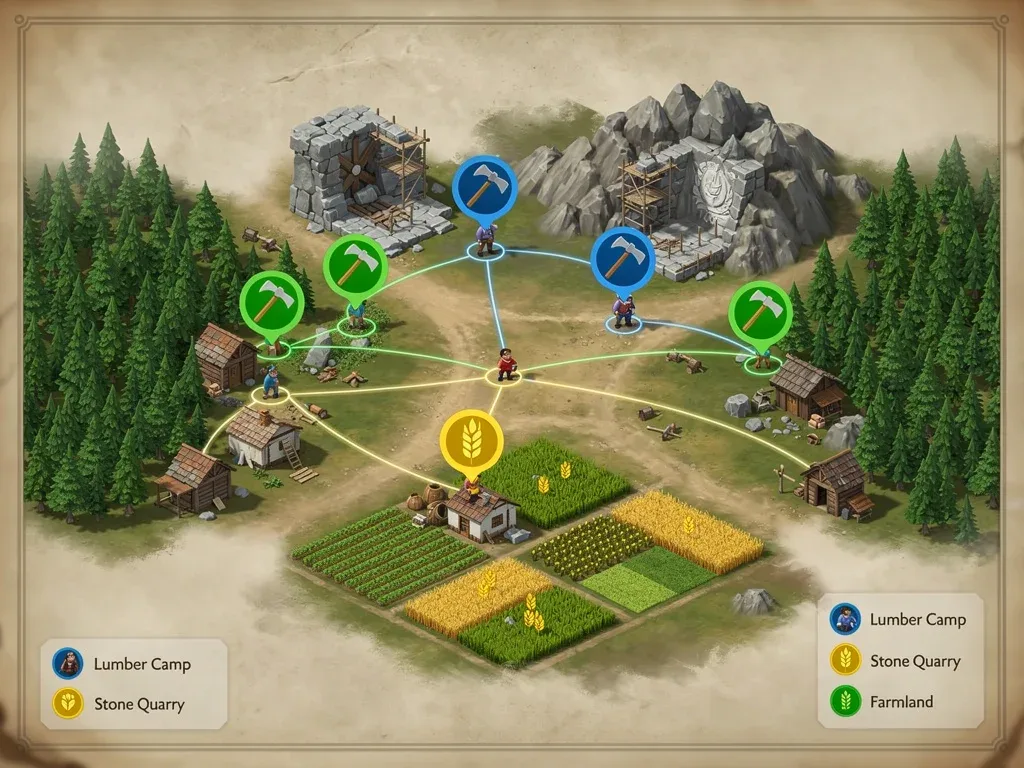
Consider the travel time for your workers. A lumberjack spending half their day walking to and from the forest and storage is less efficient than one with a short commute. Build resource drop-off points or storage facilities closer to gathering sites to minimize travel and maximize productivity. This small adjustment can yield substantial returns over time.
Optimizing Production Chains
As your settlement grows, you’ll unlock more complex production chains. For example, raw food might be processed into bread, or raw ore into tools. Identifying and optimizing these chains early is a hallmark of strong resource management.
- Proximity Bonuses: Many production buildings receive bonuses when placed near their input resource. For instance, a mill near a farm, or a blacksmith near a mine. Leverage these bonuses to boost output without increasing labor.
- Worker Specialization: As your population expands, consider specializing workers. Some citizens might be better suited for farming, others for mining, based on their inherent traits or acquired skills.
- Tool Production: Tools increase worker efficiency across the board. Prioritize setting up a basic tool production facility once your iron and wood supply is stable.
Efficient worker placement extends beyond just resource gathering. It encompasses the entire economic ecosystem, from the farmer to the artisan. A well-oiled machine of production ensures a constant flow of goods and services, preventing shortages and fostering growth.
Trade and Diplomacy: Expanding Your Economic Reach
While self-sufficiency is a noble goal, no dynasty thrives in isolation. Trade and diplomacy are critical components of effective resource management in “Dynasty Builders 5,” especially in the early game. They allow you to acquire resources you lack, offload surpluses, and build vital relationships with other factions.
Establishing trade routes early can mitigate resource deficiencies and provide a steady income stream. Look for neighboring settlements that have a surplus of resources you need and a demand for what you produce. Even a small, consistent trade agreement can make a huge difference in stabilizing your early economy. Diplomacy plays a crucial role here, as hostile neighbors are unlikely to engage in beneficial trade.
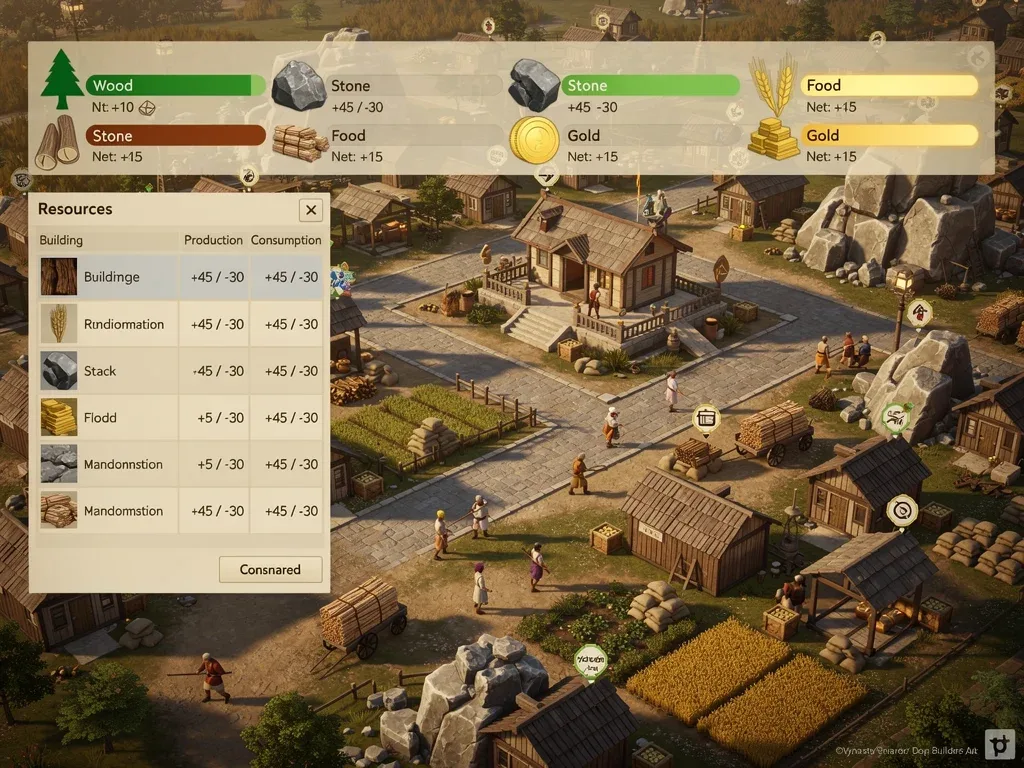
Identifying Trade Opportunities
Not all trade opportunities are created equal. Some will be more beneficial than others. It’s essential to analyze the market and understand the supply and demand dynamics of the world map.
- Resource Scarcity: Identify resources that are scarce in your region but abundant elsewhere. These are prime candidates for import.
- Production Surplus: If you consistently produce more of a resource than you consume, consider exporting it for profit or for other vital goods.
- Market Fluctuations: The game’s economy often features dynamic pricing. Pay attention to market trends to buy low and sell high, maximizing your trade profits.
Beyond simple resource exchange, trade routes can also facilitate the exchange of knowledge and culture, potentially unlocking new technologies or building types. Diplomacy, through alliances and non-aggression pacts, secures these trade routes and prevents costly conflicts that could cripple your nascent economy. A strong diplomatic stance can be as valuable as a strong military in securing your economic future.
Technology and Infrastructure Development
Investing in technology and infrastructure is not merely an end-game pursuit; it’s a vital part of early game resource management. Early advancements can significantly boost resource production, reduce consumption, and unlock new economic opportunities. Prioritizing certain research paths can give you a substantial edge.
Consider technologies that enhance gathering rates, improve storage efficiency, or reduce building costs. For instance, researching improved farming techniques can dramatically increase food output, while advancements in carpentry can make wood go further. These seemingly small improvements accumulate over time, leading to a much more robust and sustainable economy.
Key Early Game Technologies to Prioritize
Navigating the technology tree can be overwhelming. Focusing on a few key areas early on will provide the most immediate benefits.
- Agriculture Upgrades: Technologies like crop rotation or irrigation can boost food production significantly, supporting a larger population.
- Mining Efficiency: Researching better tools or techniques for mining can increase stone and metal output, crucial for advanced construction and trade.
- Logistics and Storage: Improved roads, carts, and larger warehouses reduce transport times and prevent spoilage, making your resource network more efficient.
Infrastructure development goes hand-in-hand with technology. Building roads, for example, decreases travel time for workers and traders, directly impacting efficiency. Strategically placed bridges or tunnels can open up new resource territories. These investments, while costing initial resources, pay dividends in long-term economic growth and stability.
Managing Population Growth and Happiness
Your population is your most valuable resource in “Dynasty Builders 5.” Without citizens, there is no one to gather resources, build structures, or conduct research. Therefore, managing population growth and ensuring their happiness are integral to effective resource management. A happy and growing population fuels your economy, while a discontented one can lead to revolt and ruin.
Early game population growth needs to be carefully managed. While more citizens mean more hands for work, they also mean increased consumption of food and other basic goods. Ensure your resource production can keep pace with your population’s demands. Uncontrolled growth without adequate resources is a recipe for disaster.
Balancing Needs and Wants
Citizens in “Dynasty Builders 5” have various needs beyond just food and shelter. Meeting these needs contributes to their happiness, which in turn boosts their productivity and prevents negative events.
- Basic Necessities: Always ensure a surplus of food, water, and basic housing. These are non-negotiable for population stability.
- Luxury Goods: As your economy matures, providing access to luxury goods, even basic ones like clothing or pottery, can significantly increase happiness.
- Public Services: Building amenities like places of worship, taverns, or bathhouses can provide significant happiness boosts and attract new settlers.
Monitoring your population’s happiness levels is crucial. Early warning signs of discontent, such as declining productivity or increasing crime rates, should be addressed swiftly. Investing in public services and ensuring a stable supply of goods will keep your citizens content and your economy thriving, allowing for sustained growth and expansion.
Adapting to Challenges and Overcoming Early Game Hurdles
The early game in “Dynasty Builders 5” is rarely a smooth ride. You will encounter challenges, from unforeseen resource shortages to external threats. The ability to adapt and overcome these hurdles is a defining characteristic of a successful ruler. Effective resource management isn’t just about planning; it’s about reacting strategically.
Unexpected events like bad harvests, natural disasters, or bandit raids can cripple an unprepared economy. Having a buffer of essential resources, a diverse economic base, and a flexible strategy are key to weathering these storms. Don’t put all your eggs in one basket; diversify your resource streams and prepare for the worst.
Common Early Game Pitfalls and How to Avoid Them
Many new players fall into similar traps during the early stages. Learning to recognize and avoid these pitfalls can save you significant time and resources.
- Over-expansion: Growing too quickly without adequate resources and infrastructure is a common mistake. Expand incrementally, ensuring your economy can support each new addition.
- Lack of Diversification: Relying too heavily on a single resource or trade partner can leave you vulnerable. Develop multiple resource streams and trade relationships.
- Neglecting Defense: While economic growth is paramount, ignoring defense can lead to raids that devastate your resource production and population. Build basic defenses early.
The early game is a constant balancing act between growth, stability, and defense. By understanding the challenges and having a flexible approach to resource management, you can not only survive but thrive. Continuous monitoring of your economy, anticipating needs, and adapting your strategies will pave the way for a prosperous and enduring dynasty.
| Key Strategy | Brief Description |
|---|---|
| Resource Prioritization | Focus initially on food, wood, and basic currency to ensure population survival and initial construction needs. |
| Worker Optimization | Strategically place workers and build storage near gathering sites to minimize travel time and boost output. |
| Early Trade Routes | Establish trade agreements to cover resource deficits and sell surpluses, fostering diplomatic relations. |
| Technology Investment | Prioritize research into agriculture, mining efficiency, and logistics to enhance long-term economic output. |
Frequently Asked Questions about Early Game Economy
What are the most critical resources to focus on at the very start of Dynasty Builders 5?▼At the very beginning, prioritize food, wood, and basic currency. Food prevents starvation and discontent, wood is essential for initial constructions, and currency facilitates basic trade and citizen needs. Establishing a stable supply of these three allows for further expansion and development without immediate bottlenecks.
How can I quickly increase my population’s happiness in the early game?▼To quickly increase happiness, ensure a constant surplus of basic necessities like food and water. Additionally, providing adequate housing and establishing simple public services such as a well or a small market can significantly boost morale. A happy population is more productive and less prone to issues.
Is it better to specialize or diversify my early game economy?▼In the early game, a balanced approach combining specialization and diversification is often best. Specialize in one or two resources that are abundant in your starting region to create a surplus for trade, but diversify enough to cover your basic needs and avoid over-reliance on a single production chain.
What early game technologies offer the best return on investment?▼Focus on technologies that enhance resource gathering efficiency (e.g., improved farming, better mining tools) and logistics (e.g., roads, larger storage). These advancements reduce production costs, increase output, and improve overall economic flow, laying a strong foundation for future growth and complex industries.
How do I manage unexpected resource shortages effectively?▼To manage shortages, maintain a small reserve of critical resources, diversify your production sources, and establish multiple trade partners. If a shortage occurs, immediately reallocate workers to boost production of the scarce resource or initiate emergency trade deals. Adapting quickly is key to minimizing impact.
Conclusion
Mastering Dynasty Builders 5 resource management in the early game is not just about survival; it’s about laying an unbreakable foundation for an empire that will stand the test of time. By diligently prioritizing essential resources, optimizing worker placement, embracing trade and diplomacy, investing wisely in technology, and carefully nurturing your population’s growth and happiness, you can transform a humble settlement into a formidable economic powerhouse. The strategies outlined in this 2026 guide are designed to provide you with the foresight and adaptability needed to overcome initial challenges and ensure your dynasty’s prosperity from its very first days. Remember, every decision in the early game reverberates through your entire campaign, so make them count.