GDC 2026 Call for Papers: Key Game Development Themes
Advertisements
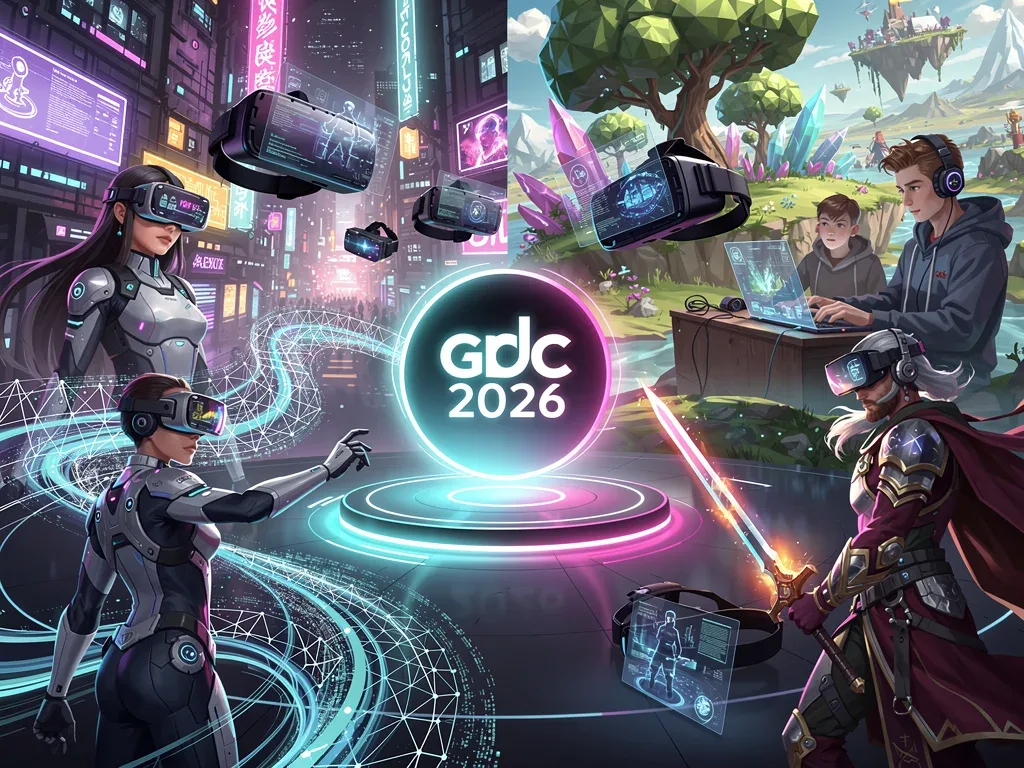
The GDC 2026 Call for Papers is now open, inviting industry professionals to submit proposals focusing on critical advancements in artificial intelligence, immersive technologies, sustainable development practices, and fostering inclusivity within game design and production.
As the premier event for game developers worldwide, the GDC 2026 Call for Papers has officially opened its doors, inviting innovators, researchers, and practitioners to share their insights and shape the future of the industry. This is a pivotal moment for professionals to contribute to the collective knowledge base, offering a glimpse into the cutting-edge trends and challenges that will define game development in the coming years.
The AI Revolution in Game Development
Artificial Intelligence continues to be a transformative force in the gaming landscape, evolving beyond simple enemy behaviors to sophisticated procedural content generation, dynamic storytelling, and personalized player experiences. The GDC 2026 Call for Papers places a significant emphasis on submissions that delve into the practical applications and theoretical advancements of AI, recognizing its potential to redefine how games are made and played.
Developers are increasingly leveraging AI to automate repetitive tasks, allowing creative teams to focus on innovation. From generating vast open worlds to designing complex non-player character (NPC) interactions, AI tools are becoming indispensable. This shift not only streamlines production but also opens up new avenues for emergent gameplay that was previously unimaginable.
Advanced AI for Dynamic Worlds
The integration of advanced AI techniques enables the creation of game worlds that feel more alive and responsive to player actions. Sessions at GDC 2026 are expected to cover:
- Procedural content generation using machine learning.
- AI-driven narrative design and branching storylines.
- Intelligent NPC behaviors and emotional responses.
These advancements move beyond static environments, offering players unique experiences with every playthrough. The challenge lies in creating AI that is both complex and controllable, ensuring that emergent properties enhance rather than detract from the intended game design.
Ethical Considerations and Bias in AI
As AI becomes more pervasive, ethical considerations surrounding its use in games are gaining prominence. The GDC 2026 Call for Papers encourages discussions on:
- Mitigating algorithmic bias in game design.
- Ensuring fair and unbiased AI-generated content.
- Player privacy and data security in AI-powered games.
Addressing these issues proactively is crucial for building trust and ensuring that AI serves to enrich, not diminish, the player experience. Developers must consider the societal implications of their AI implementations.
In conclusion, AI’s role in game development is expanding rapidly, driving innovation in content creation, player interaction, and ethical considerations. The GDC 2026 platform will be essential for sharing best practices and exploring the future trajectory of intelligent game systems.
Immersive Technologies: VR, AR, and Beyond
Immersive technologies, encompassing Virtual Reality (VR), Augmented Reality (AR), and Mixed Reality (MR), continue to push the boundaries of player engagement. GDC 2026 seeks submissions that explore novel applications, development challenges, and the future potential of these technologies to create truly captivating experiences. The focus is not just on hardware advancements but on the unique design paradigms these platforms demand.
The journey from niche curiosities to mainstream entertainment is still ongoing for many immersive technologies. However, significant strides in accessibility, comfort, and content quality are steadily expanding their reach. Developers are experimenting with new interaction models and storytelling techniques that are only possible within these highly spatial and sensory environments.
Designing for Virtual and Augmented Realities
Creating compelling experiences in VR and AR requires a distinct approach to game design. Papers for GDC 2026 are encouraged to cover:
- Best practices for VR locomotion and comfort.
- Innovative AR gameplay mechanics that blend digital and physical worlds.
- Strategies for optimizing performance and visual fidelity in immersive environments.
These topics highlight the technical and creative hurdles developers face, emphasizing the need for specialized knowledge and tools to succeed in this burgeoning field.
The Convergence of Immersive Tech and Other Trends
The true power of immersive technologies often lies in their synergy with other emerging trends. Discussions at GDC 2026 are expected to explore:
- How AI can create more dynamic and responsive VR/AR worlds.
- The integration of haptic feedback and advanced sensory inputs.
- The role of cloud computing in streaming high-fidelity immersive experiences.
This convergence promises to unlock unprecedented levels of immersion, making virtual worlds feel indistinguishable from reality. The challenge will be in seamlessly weaving these disparate technologies together into a cohesive and enjoyable product.
Ultimately, immersive technologies are reshaping how players interact with digital content. GDC 2026 will serve as a crucial forum for developers to share their progress and collectively envision the next generation of VR, AR, and MR experiences.

Sustainable Development and Environmental Responsibility
The global conversation around environmental sustainability has reached the game industry, prompting a critical examination of development practices, energy consumption, and the ecological footprint of gaming. The GDC 2026 Call for Papers actively seeks submissions that address sustainable game development, from eco-conscious production pipelines to games designed to raise environmental awareness. This theme underscores a growing commitment to corporate social responsibility within the sector.
Developers are recognizing that their choices, from the energy efficiency of game engines to the materials used in merchandise, have an impact. This isn’t just about ethical considerations; it’s also about meeting consumer demand for more responsible products and operating in a world increasingly affected by climate change. The industry is exploring ways to innovate while minimizing its environmental cost.
Green Game Development Practices
Implementing sustainable practices throughout the game development lifecycle is a key area of interest. GDC 2026 will feature discussions on:
- Optimizing game code for energy efficiency and reduced power consumption.
- Sustainable asset creation and content pipelines.
- Reducing waste in physical game production and packaging.
These sessions aim to provide practical strategies for studios of all sizes to adopt more environmentally friendly approaches without compromising quality or innovation.
Games for Impact: Environmental Awareness
Beyond internal practices, games themselves can be powerful tools for education and advocacy regarding environmental issues. Submissions for GDC 2026 are encouraged to explore:
- Designing games that promote ecological literacy and climate action.
- Leveraging game mechanics to simulate environmental challenges and solutions.
- The effectiveness of “green game jams” and community initiatives.
By engaging players with complex topics in an interactive and entertaining way, games can inspire real-world change and foster a deeper understanding of environmental sustainability.
In summary, sustainable development is no longer a peripheral concern but a core aspect of responsible game creation. GDC 2026 will highlight innovative solutions and foster a community committed to a greener future for gaming.
Fostering Inclusivity and Accessibility in Gaming
The importance of inclusivity and accessibility in game design has never been more pronounced. The GDC 2026 Call for Papers prioritizes sessions that address how to create games and development environments that are welcoming and accessible to all players and creators, regardless of their background, abilities, or identities. This theme reflects a broader industry movement towards greater diversity and equity.
An inclusive approach benefits everyone, leading to richer, more diverse games that resonate with a wider audience. It involves thoughtful consideration of representation, user interface design, control schemes, and development team composition. The goal is to break down barriers and ensure that the joy of gaming is truly universal.
Designing for Diverse Players
Creating games that are accessible to a broad spectrum of players requires intentional design choices. GDC 2026 will feature discussions on:
- Implementing comprehensive accessibility features (e.g., colorblind modes, customizable controls, subtitles).
- Designing inclusive narratives and character representation.
- User research methods for diverse player populations.
These topics emphasize the practical steps developers can take to ensure their games can be enjoyed by as many people as possible, enhancing both reach and impact.
Promoting Diversity in Development Teams
An inclusive industry starts with inclusive workplaces. The GDC 2026 Call for Papers also encourages submissions on:
- Strategies for fostering diverse and equitable development teams.
- Mentorship programs and initiatives for underrepresented groups.
- Creating safe and supportive studio cultures.
A diverse team brings a wider range of perspectives to the table, leading to more innovative and culturally resonant games. This focus on internal diversity is crucial for long-term industry health.
Ultimately, inclusivity and accessibility are not just buzzwords but fundamental principles for the future of game development. GDC 2026 will be a platform for sharing knowledge and driving progress towards a more equitable and welcoming gaming world.
The Evolution of Online Multiplayer and Community
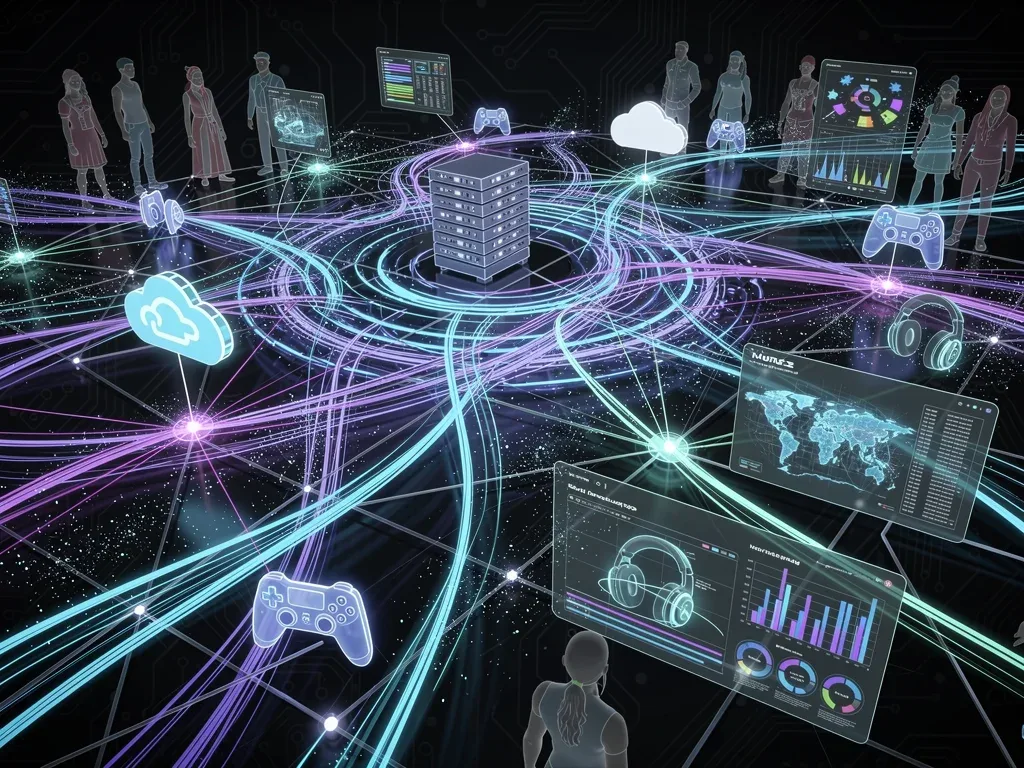
Online multiplayer experiences continue to be a cornerstone of modern gaming, constantly evolving with new technologies and player expectations. The GDC 2026 Call for Papers invites proposals that explore the cutting edge of online game design, infrastructure, and community management. This theme acknowledges the ongoing challenge of building robust, engaging, and healthy online ecosystems.
From massive multiplayer online (MMO) games to competitive esports titles, the demand for seamless and compelling online interactions remains high. Developers are grappling with issues of scalability, latency, anti-cheat measures, and fostering positive player communities. The technical complexities are immense, but the rewards of a thriving online game can be astronomical.
Next-Gen Online Infrastructure
The backbone of any successful online game is its infrastructure. GDC 2026 will feature sessions on:
- Advances in cloud gaming and distributed server architectures.
- Low-latency networking solutions for competitive play.
- Scalable backend services for millions of concurrent players.
These discussions will provide insights into the engineering challenges and innovative solutions that power the most demanding online experiences, ensuring stability and performance.
Building and Managing Online Communities
Beyond the technical aspects, fostering a positive and engaged community is vital for an online game’s longevity. Submissions for GDC 2026 are encouraged to cover:
- Strategies for community moderation and combating toxicity.
- Designing social features that encourage positive player interaction.
- Leveraging data to understand player behavior and community health.
Effective community management is an art form, requiring a delicate balance of design, technology, and human interaction. These sessions will offer valuable lessons for cultivating vibrant and lasting player bases.
In conclusion, the online multiplayer space is a dynamic and challenging frontier. GDC 2026 will provide essential insights into both the technical innovations and community-building strategies required to succeed in this ever-evolving segment of the industry.
New Business Models and Monetization Strategies
The business side of game development is constantly innovating, with new monetization strategies and distribution models emerging regularly. The GDC 2026 Call for Papers invites proposals that explore the evolving economic landscape of gaming, from subscription services and blockchain integration to ethical free-to-play design. This theme acknowledges that financial viability is crucial for creative endeavors to thrive.
Developers are no longer confined to traditional retail models. The rise of digital distribution, live service games, and alternative revenue streams has created both opportunities and complexities. Understanding these new models is essential for studios looking to sustain themselves and reach new audiences in a competitive market.
Beyond Traditional Sales: Subscriptions and Live Services
The shift towards recurring revenue models is a significant trend. GDC 2026 will feature discussions on:
- The economics and design principles of game subscription services.
- Effective content roadmaps and engagement strategies for live service games.
- Balancing player value with long-term monetization goals.
These sessions will delve into the intricacies of keeping players engaged and monetized over extended periods, a challenge that requires continuous innovation and careful balancing.
Emerging Technologies and Economic Paradigms
New technologies are also influencing how games are funded and monetized. Submissions for GDC 2026 are encouraged to cover:
- The potential and pitfalls of blockchain, NFTs, and Web3 in gaming.
- Data-driven monetization strategies and player segmentation.
- Alternative funding models like crowdfunding and early access.
Exploring these cutting-edge topics will help developers navigate the opportunities and risks associated with experimental economic models, preparing them for the future of game finance.
In conclusion, the business of games is as dynamic as the creative process itself. GDC 2026 will be a vital forum for understanding and adapting to new business models and monetization strategies, ensuring the industry’s continued growth and innovation.
Cross-Platform Development and Cloud Gaming
The aspiration for seamless gaming experiences across multiple devices is driving significant innovation in cross-platform development and cloud gaming. The GDC 2026 Call for Papers seeks submissions that shed light on the technical challenges, design considerations, and strategic advantages of bringing games to players wherever they are. This theme is critical as the lines between consoles, PCs, and mobile devices continue to blur.
Players increasingly expect to access their games and progress across different hardware. This demand pushes developers to adopt flexible architectures and robust cloud solutions. The goal is to provide a consistent and high-quality experience, regardless of the player’s chosen platform, while also expanding the potential audience for a game.
Unified Development Pipelines
Achieving true cross-platform compatibility requires sophisticated development pipelines. GDC 2026 will feature sessions on:
- Strategies for designing games with multi-platform deployment in mind.
- Tools and engines that streamline cross-platform asset creation and code management.
- Overcoming technical hurdles like differing hardware capabilities and input methods.
These discussions will offer practical advice for studios aiming to maximize their reach and minimize development overhead through efficient cross-platform strategies.
The Future of Cloud-Native Gaming
Cloud gaming promises to democratize access to high-fidelity titles, removing the need for expensive local hardware. Submissions for GDC 2026 are encouraged to explore:
- Optimizing games for cloud streaming latency and visual quality.
- The impact of cloud computing on game design and player interaction.
- Business models and infrastructure challenges for cloud-native games.
As internet infrastructure improves, cloud gaming is poised to become a dominant force, and GDC 2026 will be a crucial venue for discussing its implications and future direction.
In conclusion, cross-platform development and cloud gaming are shaping a more interconnected and accessible future for the industry. GDC 2026 will provide invaluable insights into the technical and creative innovations driving this convergence, ensuring games can reach every player, everywhere.
| Key Theme | Brief Description |
|---|---|
| AI Revolution | Advanced AI for dynamic worlds, narrative, NPCs, and ethical considerations. |
| Immersive Tech | VR, AR, MR design, development challenges, and future potential. |
| Sustainability | Eco-conscious development, energy efficiency, and environmental awareness games. |
| Inclusivity | Accessible design, diverse representation, and equitable development teams. |
Frequently Asked Questions About GDC 2026 Themes
What are the primary focuses of the GDC 2026 Call for Papers?▼The GDC 2026 Call for Papers primarily focuses on artificial intelligence, immersive technologies like VR/AR, sustainable development practices, fostering inclusivity and accessibility, evolving online multiplayer experiences, and new business models in gaming. These themes reflect the industry’s most pressing challenges and exciting opportunities for innovation.
How is AI expected to impact game development by 2026?▼By 2026, AI is expected to profoundly impact game development by enabling more sophisticated procedural content generation, dynamic narratives, and intelligent NPC behaviors. It will also streamline development workflows, but ethical considerations regarding bias and player data will become increasingly important to address as AI tools become more prevalent.
Why is sustainable game development a key theme for GDC 2026?▼Sustainable game development is a key theme for GDC 2026 due to growing environmental concerns and the industry’s increasing awareness of its ecological footprint. The call for papers encourages discussions on eco-conscious production, energy-efficient game design, and using games as a medium for environmental education and advocacy, aligning with global responsibility.
What does GDC 2026 aim to achieve regarding inclusivity and accessibility?▼GDC 2026 aims to promote the creation of games and development environments that are welcoming and accessible to all. This includes discussions on implementing robust accessibility features, designing inclusive narratives and characters, and fostering diverse and equitable development teams to ensure the gaming experience is enjoyable for everyone, regardless of background or ability.
Are new business models and monetization strategies relevant for GDC 2026?▼Absolutely. New business models and monetization strategies are highly relevant for GDC 2026, reflecting the rapidly evolving economic landscape of the gaming industry. Topics include subscription services, live service game economics, the potential of blockchain and Web3 technologies, and data-driven monetization, all crucial for studios to adapt and thrive in a competitive market.
Conclusion
The opening of the GDC 2026 Call for Papers marks a significant milestone, setting the stage for the next wave of innovation and discussion in the global game development community. The themes highlighted—from the pervasive influence of AI and the expanding potential of immersive technologies to the critical importance of sustainability, inclusivity, evolving online experiences, and dynamic business models—underscore an industry that is not only creatively vibrant but also increasingly socially conscious and technologically advanced. These discussions will undoubtedly shape the games we play and how they are made, fostering a more responsible, diverse, and exciting future for interactive entertainment. Developers, researchers, and thought leaders are encouraged to contribute their unique perspectives, helping to collectively chart the course for game development in the years to come.