Monster Hunter Wilds: Is $70 Worth It? Combat & Endgame Review
Advertisements
Monster Hunter Wilds introduces significant gameplay innovations, including dynamic environments and refined combat, potentially justifying its $70 price for fans seeking a deep, evolving hunting experience with robust endgame challenges.
The anticipation for Monster Hunter Wilds Review has reached a fever pitch, with many gamers pondering a crucial question: is the $70 launch price justified? As Capcom prepares to unleash its next-generation monster-hunting epic, players are eager to understand if the advancements in combat, the breadth of the open world, and the depth of its endgame content truly deliver a value proposition worthy of its premium cost. This in-depth analysis delves into every facet of the game to help you make an informed decision.
The Evolution of Combat: New Mechanics and Familiarity
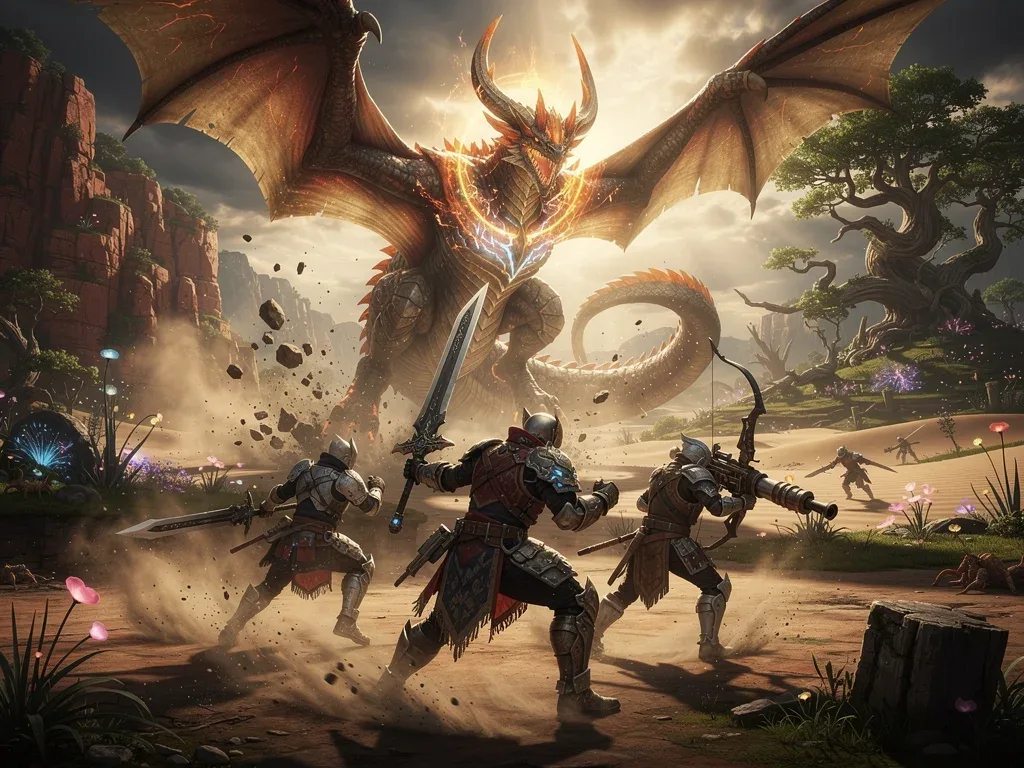
Monster Hunter Wilds promises to refine the series' signature combat, blending familiar weapon archetypes with innovative new mechanics. This iteration aims to provide both seasoned veterans and newcomers with a fresh yet recognizable hunting experience, focusing on fluid transitions and environmental interaction.
Capcom has consistently evolved the combat system with each new Monster Hunter title, and Wilds appears to be no exception. Early previews suggest a more responsive control scheme and enhanced monster AI, leading to more dynamic and unpredictable encounters. The core loop of tracking, engaging, and eventually felling colossal beasts remains, but the methods to achieve victory are expanding.
Weapon System Refinements
Each of the fourteen weapon types in Monster Hunter Wilds receives significant attention, with new moves and quality-of-life adjustments. These changes aim to deepen the combat without overcomplicating it, ensuring that every weapon feels distinct and powerful in its own right.
- Charge Blade: Reportedly gains new defensive capabilities and more seamless transitions between sword and axe modes, enhancing its versatility.
- Great Sword: Focuses on impactful, heavy hits, with new ways to quickly reposition or chain powerful attacks after a successful charge.
- Light Bowgun: Features expanded ammunition types and faster reload animations, promoting more aggressive ranged playstyles.
These refinements suggest a commitment to balancing the roster while providing fresh ways to engage with beloved weapons. The goal is to ensure that players can find a weapon that perfectly suits their playstyle, whether they prefer fast-paced combos, strategic defense, or precise ranged attacks.

The combat in Monster Hunter Wilds feels like a natural progression, building upon the successes of Monster Hunter World and Rise. It retains the strategic depth that fans adore while introducing elements that make each hunt feel more personal and reactive. The integration of environmental hazards and dynamic weather also plays a crucial role, forcing hunters to adapt their strategies on the fly.
The Open World: A Living, Breathing Ecosystem
One of Monster Hunter Wilds' most significant departures from previous titles is its embrace of a truly open world. This is not merely a collection of interconnected zones; it's a vast, seamless ecosystem designed to feel alive and unpredictable. This ambition aims to immerse players like never before, making every expedition a unique adventure.
The world is touted as being significantly larger and more interactive than anything seen in the series before. Dynamic weather systems, day-night cycles, and evolving biomes will directly impact monster behavior and hunter strategies. Players will need to pay close attention to their surroundings, as the environment itself can be both an ally and an adversary.
Environmental Dynamics and Monster Interaction
The developers have emphasized that monsters will interact with each other and their environment in complex ways, creating emergent gameplay opportunities. This means observing monster territories, migration patterns, and even feeding habits could provide crucial advantages during a hunt.
- Dynamic Weather: Sandstorms can reduce visibility, altering monster attack patterns and making tracking more challenging. Heavy rain might create new pathways or reveal hidden monster dens.
- Ecosystem Balance: Apex predators might clash with rival species, creating opportunities for hunters to intervene or observe for weaknesses. Herbivores might lead hunters to rare flora or serve as bait.
- Interactive Terrain: Cliffs can crumble, rivers can swell, and flora can be used for cover or to create traps. The world itself becomes a tool in the hunter's arsenal.
This level of environmental detail and interactivity promises to elevate the hunting experience beyond simple arena battles. The open world encourages exploration and strategic planning, as understanding the terrain and its inhabitants becomes just as vital as mastering your weapon. It's a bold step for the franchise, aiming to deliver a sense of scale and immersion that few games achieve.
New Monsters and Returning Favorites: The Roster Deep Dive
A Monster Hunter game is only as good as its monsters, and Wilds aims to deliver a compelling roster of new, terrifying creatures alongside beloved classics. The introduction of new species, each with unique behaviors and ecological niches, is crucial for maintaining the series' appeal and ensuring every hunt feels fresh and challenging.
Capcom has teased several new monsters, showcasing their distinct designs and combat styles. These creatures are designed to leverage the game's dynamic environments, presenting challenges that require adaptive strategies rather than brute force. The focus is on creating encounters that feel like a true test of a hunter's skill and preparation.
Introducing the New Apex Predators
While specific names are often kept under wraps until closer to release, the initial reveals suggest a blend of familiar archetypes with innovative twists. Expect monsters that can manipulate the terrain, adapt to weather changes, and exhibit complex social behaviors.
- Sand-Dwelling Behemoths: Monsters that can burrow and strike from beneath the sand, using the environment to their advantage and creating unpredictable attack patterns.
- Aerial Dominators: Flying wyverns with enhanced mobility and new breath attacks that can devastate large areas, forcing hunters to consider aerial combat or precise ranged tactics.
- Pack Hunters: Smaller, agile monsters that coordinate attacks, requiring hunters to manage multiple threats simultaneously and utilize crowd control effectively.
Beyond the new additions, fans can anticipate the return of classic monsters, reimagined for the Wilds' expansive world. These returning favorites will likely feature updated movesets and behaviors, ensuring they remain challenging even for veteran hunters. The balance between novelty and nostalgia is key to satisfying the diverse Monster Hunter fanbase.
The monster roster in Wilds appears to be designed with the open-world philosophy in mind. Each creature feels like a natural part of the ecosystem, contributing to the game's overall immersion. The promise of challenging, varied encounters is a strong indicator that the core loop of hunting will remain as engaging as ever.
Endgame Content: What Keeps Hunters Coming Back?
For many Monster Hunter enthusiasts, the true test of a game's longevity lies in its endgame content. Monster Hunter Wilds needs to deliver a robust and varied post-story experience to justify its $70 price tag and keep players engaged for hundreds, if not thousands, of hours. This means offering more than just harder versions of existing hunts.
The series has a strong track record of providing compelling endgame loops, from challenging elder dragons to intricate investigations and siege quests. Wilds is expected to build upon these foundations while introducing new systems that encourage continuous play and character progression beyond the main narrative.
Deepening the Post-Game Experience
While specifics are still under wraps, the developers have hinted at systems that will provide endless replayability and opportunities for hunters to test their skills and optimize their gear. This often involves a mix of difficult challenges, unique rewards, and evolving threats.
- Anomaly Investigations (Speculative): Similar to Monster Hunter Rise's endgame, these could involve mutated monsters with enhanced abilities and unique material drops for crafting top-tier gear.
- Siege Quests 2.0: Large-scale, multi-stage hunts against colossal monsters, requiring cooperation from multiple hunter teams and strategic objective completion.
- Guild Challenges and Special Arenas: Time-trial challenges or unique arena battles with specific handicaps, offering cosmetic rewards or rare crafting materials for those who master them.
Beyond structured quests, the open world itself could play a larger role in the endgame. Perhaps dynamic events, rare monster spawns, or environmental cataclysms will provide ongoing challenges that emerge naturally during exploration. The possibility of ever-evolving ecosystems or new regions unlocking post-story could also significantly extend playtime.
A compelling endgame is crucial for Monster Hunter Wilds to cement its value. If Capcom delivers on its promise of deep, engaging post-story content that consistently offers new challenges and rewards, the game will undoubtedly provide hundreds of hours of entertainment, making the initial investment feel more than worthwhile.
Multiplayer and Community: Hunting Together
The heart of Monster Hunter has always been its cooperative multiplayer experience. Monster Hunter Wilds aims to enhance this core pillar, providing seamless ways for players to connect, hunt together, and build a thriving community. The social aspect is just as important as the combat mechanics for many players.
With the transition to a more open world, the integration of multiplayer becomes even more critical. Capcom is expected to streamline the process of joining friends and finding other hunters, ensuring that the focus remains on the hunt rather than menu navigation. The goal is to make cooperative play as intuitive and enjoyable as possible.
Enhancing the Co-op Experience
Beyond simply joining quests, Wilds could introduce new features that foster collaboration and community within the game's expansive world. This might include shared hub areas, dynamic events that encourage impromptu team-ups, or improved communication tools.
- Seamless Join-In: The ability for players to join ongoing hunts more easily, reducing downtime and encouraging spontaneous cooperation.
- Shared Open World Activities: Public events or rare monster sightings that can be tackled by multiple hunters in the same instance, fostering a sense of shared adventure.
- Improved Communication Tools: Enhanced in-game chat, emote systems, and perhaps even customizable guild halls to strengthen social bonds.
The success of Monster Hunter titles often hinges on their ability to create a strong, active community. Wilds will likely invest heavily in features that support this, from robust matchmaking to tools that help players find like-minded hunters. A vibrant online community not only extends the game's lifespan but also enhances the overall enjoyment for individual players.
If Monster Hunter Wilds can deliver a fluid, engaging multiplayer experience that encourages cooperation and community building within its vast open world, it will undoubtedly add significant value to its offering. Hunting with friends and strangers alike is a fundamental joy of the series, and Wilds has the potential to elevate this to new heights.
Value Proposition: Is $70 Justified?
Ultimately, the question of whether Monster Hunter Wilds is worth its $70 launch price boils down to the total package it offers. Considering the expected innovations in combat, the vastness and interactivity of its open world, the depth of its monster roster, and the promise of extensive endgame content, the justification for the price becomes clearer.
Capcom has a history of delivering high-quality, content-rich Monster Hunter games that provide hundreds, if not thousands, of hours of gameplay. With Wilds, they are pushing the boundaries of the franchise, aiming for a more immersive and dynamic experience than ever before. This level of ambition and potential content typically commands a premium price in the current gaming landscape.
Factors Influencing the Value
Several key elements contribute to the perceived value of Monster Hunter Wilds at its launch price. These are the aspects that players will weigh when deciding on their purchase.
- Content Volume: The sheer amount of monsters, quests, gear, and explorable areas directly impacts playtime and value.
- Replayability: Strong endgame loops, diverse build options, and challenging content encourage players to return repeatedly.
- Innovation: New mechanics, a truly open world, and dynamic systems offer a fresh experience that justifies the cost for those seeking evolution.
- Production Quality: High-fidelity graphics, immersive sound design, and polished gameplay contribute to a premium feel.
For fans of the series, the $70 price tag is likely to be a non-issue, given the franchise's track record of delivering immense value. For newcomers, the investment might seem steep, but the promise of a deep, engaging, and long-lasting adventure could easily outweigh the initial cost. The game is poised to offer a complete package that respects player time and investment.
Considering the scope and ambition of Monster Hunter Wilds, alongside Capcom's consistent delivery of quality in the series, the $70 price point appears to be a reasonable reflection of the expected content and experience. If the game lives up to its immense potential, it will undoubtedly provide an unparalleled hunting adventure that justifies every dollar.
| Key Aspect | Description |
|---|---|
| Combat Evolution | Refined weapon mechanics, fluid transitions, and enhanced monster AI promise dynamic encounters. |
| Open World Immersion | Vast, seamless ecosystem with dynamic weather and interactive terrain influencing hunts. |
| Endgame Depth | Expected robust post-story content including challenging quests and progression systems. |
| Value for Price | High potential for hundreds of hours of gameplay, justifying the $70 cost for content-rich experience. |
Frequently Asked Questions About Monster Hunter Wilds
What are the major gameplay changes in Monster Hunter Wilds?▼Monster Hunter Wilds introduces a fully open world with dynamic weather and ecosystems, refined combat mechanics for all weapon types, and enhanced monster AI. These changes aim to create a more immersive and unpredictable hunting experience, making environmental interaction crucial for success.
How does the open world impact monster behavior?▼Monsters in Wilds will interact with each other and their environment in complex ways. Their behavior can change based on weather conditions, time of day, and territorial disputes, creating emergent gameplay opportunities. This requires hunters to observe and adapt their strategies more dynamically.
Will Monster Hunter Wilds have extensive endgame content?▼While specific details are still emerging, Capcom typically provides robust endgame content for Monster Hunter titles. Players can expect challenging post-story quests, unique monster variants, and progression systems designed to keep them engaged for hundreds of hours beyond the main narrative.
Is the $70 price tag justified for Monster Hunter Wilds?▼Given the series' history of delivering vast amounts of high-quality content, significant gameplay innovations, and the promise of a deeply immersive open world, the $70 price tag is likely justified for players seeking a long-lasting, engaging action RPG experience. The potential for hundreds of hours of gameplay offers excellent value.
How will multiplayer be integrated into the open world?▼Monster Hunter Wilds aims to enhance cooperative play with seamless join-in mechanics and potentially shared open-world activities. The goal is to make it easier for players to team up with friends or other hunters, fostering a strong community aspect within its expansive, dynamic environments.
Conclusion
Monster Hunter Wilds stands poised to be a monumental entry in the beloved franchise, pushing boundaries with its ambitious open world, refined combat, and promise of deep, engaging content. While the $70 launch price is a significant investment, the sheer scope of innovation, the expected hours of gameplay, and Capcom's track record of delivering quality suggest that the game will offer substantial value. For both long-time fans and newcomers seeking a rich, challenging, and endlessly rewarding action RPG experience, Monster Hunter Wilds appears to be a worthwhile venture into uncharted hunting grounds.