Protecting Mobile Gaming Account: 8 Security Practices 2026
Advertisements
Protecting your mobile gaming account in 2026 is crucial, necessitating strong passwords, multi-factor authentication, and awareness of phishing threats to safeguard personal data and in-game assets effectively.
As the mobile gaming landscape continues its rapid expansion, the need for robust security measures becomes paramount. In 2026, with more sophisticated threats emerging, understanding and implementing effective strategies for protecting your mobile gaming account is no longer optional, but essential. This guide will walk you through eight critical practices to keep your virtual empires safe.
Understanding the evolving threat landscape in mobile gaming
The world of mobile gaming is dynamic and constantly evolving, not just in terms of graphics and gameplay, but also in the sophistication of its threats. In 2026, cybercriminals are more organized and adept at exploiting vulnerabilities, making it crucial for players to stay informed.
The sheer volume of personal and financial data linked to gaming accounts makes them prime targets. From in-game purchases to linked payment methods and even personal identifiers, a compromised account can lead to significant financial loss and identity theft. The digital assets within games, often accumulated over years of play, also hold real-world value, further incentivizing malicious actors.
Common attack vectors in mobile gaming
Understanding how attackers operate is the first step in defense. These are some of the most prevalent methods:
- Phishing scams: Deceptive messages or websites designed to trick users into revealing login credentials. These often mimic official game or platform communications.
- Malware and spyware: Malicious software disguised as legitimate apps or updates, which can steal data or grant unauthorized access to your device.
- Credential stuffing: Using leaked username/password combinations from other breaches to gain access to your gaming accounts, assuming users reuse passwords.
- Social engineering: Manipulating individuals to perform actions or divulge confidential information, often through psychological tactics.
The evolving nature of these threats means that what was considered secure last year might not be sufficient today. Staying updated on the latest security advisories from game developers and cybersecurity experts is vital to maintaining a strong defensive posture.
In conclusion, the threat landscape for mobile gaming accounts is complex and constantly shifting. A proactive and informed approach is necessary to navigate these challenges and ensure the continued security of your digital gaming life.
Practice 1: master strong, unique passwords
The foundation of any robust cybersecurity strategy lies in the strength and uniqueness of your passwords. This principle is especially critical for mobile gaming accounts, which often serve as gateways to personal and financial information. A weak or reused password is an open invitation for cybercriminals.
In 2026, simply adding a number to the end of a common word won’t cut it. Passwords need to be lengthy, complex, and unpredictable. Think of them as the digital keys to your castle; you wouldn’t use a flimsy, easily duplicated key for your home.
Crafting impenetrable passwords
Creating truly strong passwords involves a combination of factors. It’s about making them difficult for both humans and automated bots to guess or crack through brute-force attacks.
- Length: Aim for at least 12-16 characters. Longer passwords offer exponentially more combinations, making them harder to break.
- Complexity: Incorporate a mix of uppercase and lowercase letters, numbers, and special characters (!@#$%^&*). Avoid easily guessable patterns like ‘123456’ or ‘password’.
- Uniqueness: Never reuse passwords across different accounts. If one service is breached, all accounts sharing that password become vulnerable.
- Randomness: Avoid using personal information (birthdays, pet names) or dictionary words. Consider using a passphrase – a string of unrelated words – for memorability.
To manage these complex passwords, a reputable password manager is an invaluable tool. These applications securely store your login credentials, generate strong passwords, and often integrate seamlessly with mobile browsers and apps, simplifying the login process without compromising security. Regularly updating your passwords, even strong ones, adds an extra layer of protection against potential breaches.
Ultimately, a strong, unique password is your first and most critical line of defense against unauthorized access. Investing time in creating and managing these digital safeguards will significantly enhance the security of your mobile gaming experience.
Practice 2: enable two-factor authentication (2FA) everywhere
Even the strongest password can be compromised, which is why two-factor authentication (2FA) is an indispensable security layer for your mobile gaming accounts in 2026. 2FA adds a secondary verification step, making it significantly harder for unauthorized users to access your account, even if they manage to obtain your password.
Think of 2FA as a double-locked door. Even if an intruder picks the first lock (your password), they still need to get past the second (your 2FA code). This drastically reduces the risk of account takeover, providing peace of mind as you dive into your favorite mobile games.
Types of two-factor authentication
There are several common methods for 2FA, each offering varying levels of convenience and security:
- SMS codes: A code sent to your registered mobile phone number. While convenient, it’s generally considered less secure due to potential SIM-swapping attacks.
- Authenticator apps: Apps like Google Authenticator or Authy generate time-based one-time passwords (TOTPs). These are more secure as they don’t rely on cellular networks.
- Hardware keys: Physical devices that plug into your phone or connect wirelessly, offering the highest level of security but can be less convenient for mobile use.
- Email codes: Similar to SMS, but codes are sent to your email address. This method’s security depends heavily on the security of your email account.
Prioritize enabling 2FA on every mobile gaming platform and associated service (like email accounts linked to gaming). Many popular games and platforms now offer 2FA as a standard security feature. Take the time to set it up; the few extra seconds it takes to log in are a small price to pay for enhanced security.
In essence, 2FA acts as a critical barrier, ensuring that even if your password falls into the wrong hands, your mobile gaming account remains protected. Make it a non-negotiable security practice across all your online activities.
Practice 3: be vigilant against phishing and social engineering
Phishing and social engineering remain among the most effective tactics used by cybercriminals to compromise mobile gaming accounts. These attacks prey on human psychology, tricking users into willingly divulging sensitive information or performing actions that compromise their security. In 2026, these methods are more sophisticated, often indistinguishable from legitimate communications.
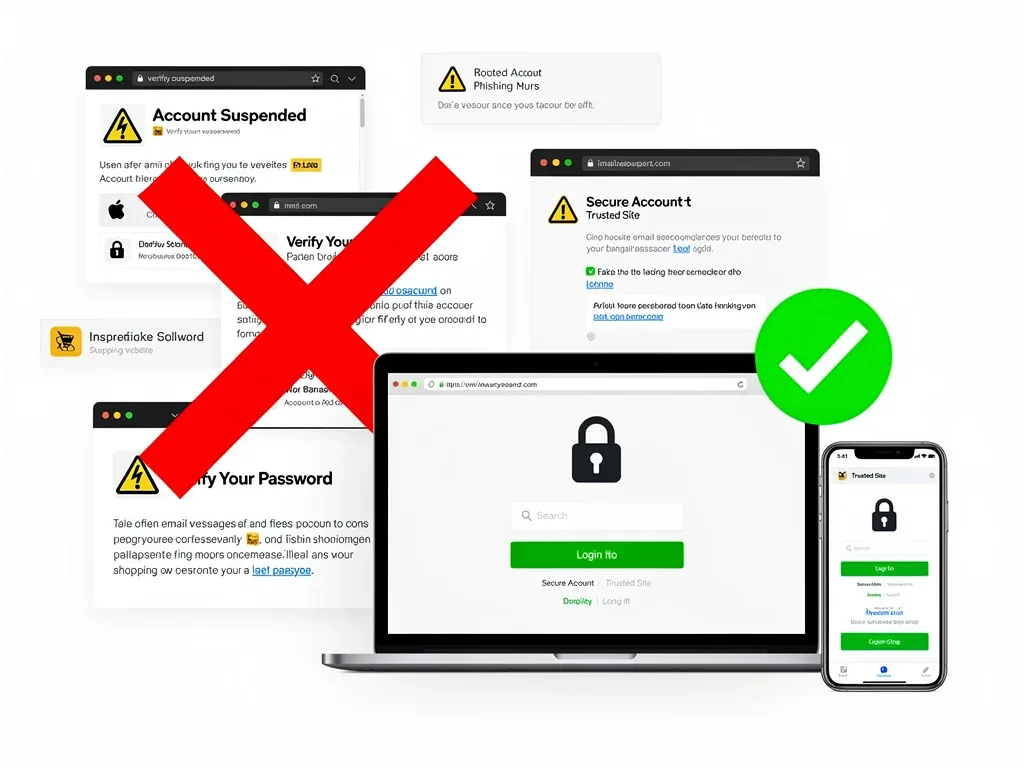
A phishing attempt might arrive as an email or in-game message, seemingly from a game developer or platform, promising free in-game currency or exclusive items. However, clicking a malicious link could lead to a fake login page designed to steal your credentials.
Recognizing and avoiding common traps
Developing a critical eye and a healthy dose of skepticism is your best defense. Here are key indicators to look out for:
- Suspicious sender addresses: Always check the sender’s email address. Slight misspellings or unusual domains are red flags.
- Urgent or threatening language: Phishing emails often create a sense of urgency, demanding immediate action to avoid account suspension or loss of items.
- Grammatical errors and poor formatting: Legitimate companies typically have professional communications. Errors can indicate a scam.
- Requests for personal information: Reputable game developers will rarely ask for your password or other sensitive details directly via email or in-game chat.
- Unsolicited links: Be wary of links in unexpected messages. Always hover over a link (on desktop) or long-press (on mobile) to preview the URL before clicking.
Never provide your login credentials or personal information on websites you navigate to from links in suspicious messages. Instead, if you receive a suspicious message, go directly to the official game or platform website by typing the URL into your browser or using the official app. Report any suspicious activity to the game developer or platform support.
By staying vigilant and understanding the common characteristics of phishing and social engineering attempts, you can effectively protect your mobile gaming account from these deceptive and dangerous threats.
Practice 4: keep your device and apps updated
Software updates are not just about new features or improved performance; they are critical for security. In 2026, regularly updating your mobile device’s operating system (OS) and all your gaming applications is a fundamental practice for protecting your mobile gaming account.
Developers constantly release patches to fix newly discovered vulnerabilities that could be exploited by cybercriminals. An outdated OS or game app can leave a gaping hole in your security defenses, making your account and personal data susceptible to attacks.
The importance of timely updates
Delaying updates can have serious consequences. Here’s why staying current is so important:
- Patching vulnerabilities: Updates often include security patches that close loopholes and fix bugs that attackers could exploit.
- Enhanced security features: New OS versions and app updates may introduce improved security protocols and features, offering better protection.
- Performance and compatibility: While not directly security-related, keeping software updated ensures optimal performance and compatibility, reducing issues that might tempt users to seek unofficial, potentially malicious, workarounds.
Enable automatic updates for your mobile device’s OS whenever possible. For gaming apps, check for updates regularly through your device’s app store (Google Play Store for Android, Apple App Store for iOS). Only download apps and updates from official sources to avoid inadvertently installing malware.
In summary, consistent updates for both your device and gaming applications form a crucial layer of defense. This simple practice significantly reduces the attack surface available to cybercriminals, helping to keep your mobile gaming account secure.
Practice 5: secure your internet connection
The way you connect to the internet can significantly impact the security of your mobile gaming account. In 2026, with gaming on the go being more prevalent, understanding the risks associated with different network types and taking steps to secure your connection is more important than ever.
Public Wi-Fi networks, often found in cafes, airports, or malls, are notoriously insecure. They typically lack strong encryption, making it easy for malicious actors to intercept data transmitted over the network, including your login credentials for gaming accounts.
Safeguarding your online connection
Whether you’re at home or out and about, securing your internet connection is a vital step in protecting your mobile gaming account:
- Avoid public Wi-Fi for sensitive activities: Never log into your gaming accounts, make purchases, or access sensitive information when connected to unsecured public Wi-Fi.
- Use a VPN: A Virtual Private Network (VPN) encrypts your internet traffic, creating a secure tunnel between your device and the internet. This is especially useful when you must use public Wi-Fi, as it makes your data unreadable to snoopers.
- Secure your home network: Ensure your home Wi-Fi network is secured with a strong, unique password and WPA3 encryption (if your router supports it). Regularly update your router’s firmware.
- Use mobile data: When in doubt, using your mobile data connection (3G/4G/5G) is generally more secure than public Wi-Fi, as it creates a direct, encrypted connection to your carrier’s network.
By being mindful of your internet connection and employing tools like VPNs, you can significantly reduce the risk of data interception and unauthorized access to your mobile gaming accounts, ensuring a safer gaming experience regardless of your location.
Practice 6: manage app permissions wisely
Mobile applications, including games, often request various permissions to access features on your device, such as your camera, microphone, contacts, or storage. While some permissions are necessary for an app’s functionality, others might be excessive or even malicious. In 2026, a critical aspect of protecting your mobile gaming account involves carefully managing these app permissions.
Granting unnecessary permissions can expose your personal data to developers or, worse, to malicious actors if the app itself is compromised. This could lead to data breaches, privacy violations, or even unauthorized access to other accounts linked to your device.
Reviewing and adjusting permissions
It’s important to regularly review the permissions granted to your gaming apps and other applications on your device:
- Be selective during installation: Pay attention to the permissions requested when you first install an app. If a simple puzzle game asks for access to your contacts or location, it’s a red flag.
- Regularly audit permissions: Go into your device settings (Privacy or Apps & Notifications on Android, Privacy on iOS) and review the permissions granted to each app. Revoke any permissions that seem unnecessary for the app’s core function.
- Understand the implications: Before granting a permission, consider why the app needs it and what data it could access. For instance, a game might need storage access to save game data, but it likely doesn’t need microphone access unless it features voice chat.
Many modern mobile operating systems also allow you to grant permissions only while the app is in use, or to deny them entirely. Utilize these granular controls to minimize your exposure. By being proactive in managing app permissions, you add another layer of defense against potential data exploitation and enhance the overall security of your mobile gaming environment.
Practice 7: regularly backup game data and progress
While the previous practices focus on preventing unauthorized access, this one is about recovery. Even with the best security measures, unforeseen circumstances like device loss, corruption, or a successful, sophisticated attack can lead to the loss of your precious game data and progress. In 2026, regularly backing up your mobile gaming data is an essential safety net.
Losing years of progress, rare in-game items, or purchased content can be devastating. Backups ensure that even if the worst happens, you can restore your account to a previous state, minimizing downtime and emotional distress.
Effective backup strategies
Different games and platforms offer various backup options. Understanding these and utilizing them effectively is key:
- Cloud saves: Many mobile games integrate with cloud services (like Google Play Games or Apple Game Center) to automatically save your progress. Ensure this feature is enabled and working correctly.
- Developer-specific backups: Some larger games or platforms offer their own backup solutions, often linked to your account. Familiarize yourself with these options and use them.
- Manual backups: For games that don’t offer automatic cloud saves, research if there’s a way to manually back up game files to your device’s internal storage or an external drive.
- Regular verification: Periodically check if your backups are actually working. Try restoring a game on another device (if possible) or ensure the cloud save status is up-to-date.
Consider linking your gaming accounts to a recovery email or phone number that is also securely protected with 2FA. This provides an additional pathway to recover your account if you lose access to your primary login methods. By diligently backing up your game data, you safeguard your investment of time and effort, ensuring that your mobile gaming adventures can continue uninterrupted.
Practice 8: stay informed about security news and game updates
The cybersecurity landscape is constantly shifting, and what’s considered best practice today might be outdated tomorrow. In 2026, one of the most proactive steps you can take to protect your mobile gaming account is to stay continuously informed about the latest security news, threats, and game-specific updates.
Cybercriminals are always looking for new vulnerabilities and developing new attack methods. Staying informed allows you to anticipate potential risks and adapt your security practices accordingly, rather than reacting after a breach has occurred.
Sources for staying informed
There are several reliable channels you can leverage to keep abreast of security developments:
- Official game developer announcements: Follow your favorite game developers and platforms on social media, subscribe to their newsletters, and check their official forums. They often announce security advisories, patch notes, and new security features.
- Reputable cybersecurity news outlets: Websites and blogs dedicated to cybersecurity frequently report on new threats, vulnerabilities, and best practices relevant to mobile users.
- Gaming news sites and communities: Many gaming-focused news sites and online communities discuss security issues pertinent to specific games or the mobile gaming industry as a whole.
- Device manufacturer and OS updates: Keep an eye on news from Apple, Google, and your device manufacturer regarding OS updates and security enhancements.
By making a habit of regularly checking these sources, you can become an informed and proactive guardian of your mobile gaming accounts. This continuous learning process ensures that your security measures are always aligned with the current threat landscape, providing the best possible protection for your digital assets.
| Security Practice | Brief Description |
|---|---|
| Strong Passwords | Use long, complex, and unique passwords for all gaming accounts. |
| Two-Factor Authentication | Enable 2FA on all accounts for an extra layer of security. |
| Phishing Vigilance | Recognize and avoid deceptive messages and links. |
| Device & App Updates | Keep your OS and game apps updated to patch vulnerabilities. |
Frequently asked questions about mobile gaming security
Why is mobile gaming account security so important in 2026?▼In 2026, mobile gaming accounts often link to personal and financial data, making them prime targets for cybercriminals. Losing access can result in financial fraud, identity theft, and the loss of valuable in-game assets accumulated over time, highlighting the critical need for robust protection.
Are password managers safe to use for gaming?▼Yes, reputable password managers are highly secure tools for generating and storing strong, unique passwords. They encrypt your credentials and reduce the risk of reusing passwords, significantly enhancing your overall security posture for mobile gaming and other online accounts.
What if a game doesn’t offer two-factor authentication?▼If a game lacks 2FA, ensure the email account linked to it has strong 2FA enabled, as this is often the primary recovery method. Use a very strong, unique password for the game account itself and be extra vigilant against phishing attempts targeting that specific game or its associated email.
Can using a VPN improve my mobile gaming security?▼Yes, a VPN encrypts your internet traffic, protecting your data from interception, especially when using unsecured public Wi-Fi networks. This makes it much harder for attackers to snoop on your connection and steal your login credentials or other sensitive information while you’re gaming.
How often should I update my mobile device and gaming apps?▼You should update your mobile device’s operating system and all gaming apps as soon as updates become available. These updates often contain critical security patches that fix vulnerabilities, protecting your accounts from newly discovered exploits and ensuring your device and apps run securely.
Conclusion
In the rapidly evolving landscape of 2026, protecting your mobile gaming account transcends mere convenience; it is a fundamental aspect of digital self-preservation. By diligently implementing these eight essential security practices—from mastering strong, unique passwords and enabling two-factor authentication to staying vigilant against phishing and maintaining updated software—you fortify your digital presence against an array of sophisticated threats. A proactive and informed approach ensures that your hard-earned progress, valuable in-game assets, and personal information remain secure, allowing you to fully immerse yourself in the rich and engaging world of mobile gaming without undue concern.