How Video Game Leaks Happen and Why They Matter
Advertisements
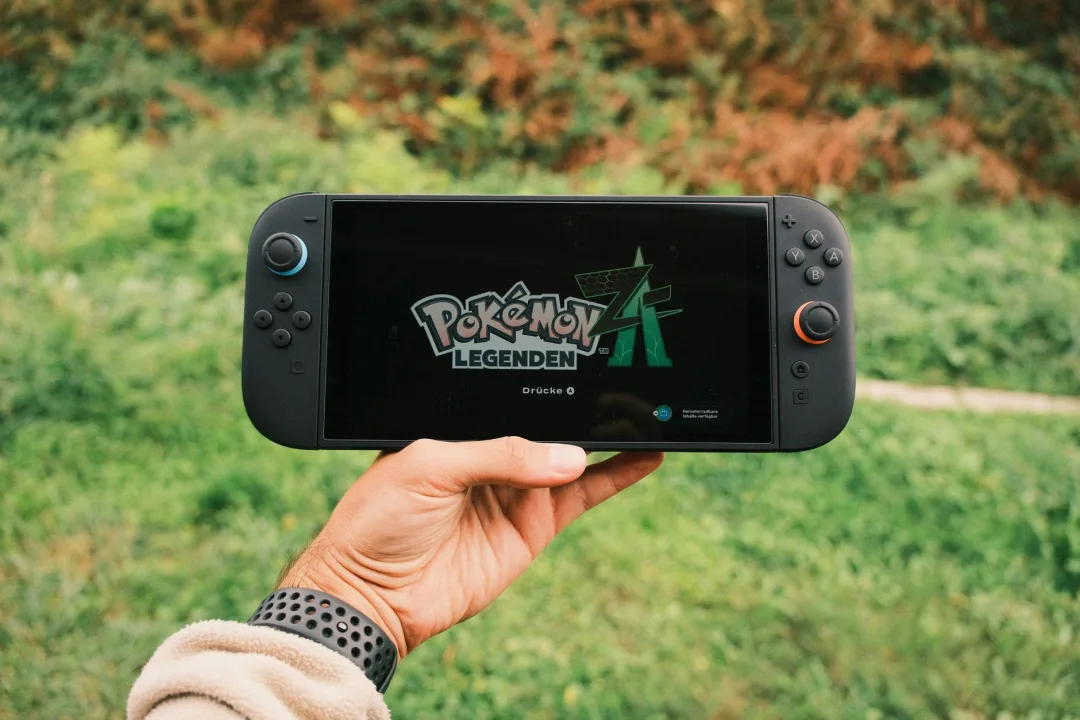
Video game leaks—the unauthorized release of confidential information about unreleased titles, gameplay mechanics, or internal development details—represent one of the gaming industry’s most persistent challenges and most consequential phenomena. These leaks shape player expectations, influence stock prices, and force studios to alter marketing strategies and release schedules in response. Understanding how leaks occur and their broader implications reveals critical truths about game development, corporate security, and the relationship between the industry and its audience.
The Nature of Game Development Information and Its Value
Video game companies guard unreleased content with extraordinary care because the information holds immense financial and strategic value. Developers, artists, designers, and marketing teams work on projects months or years before public announcement, accumulating assets, story details, character designs, and gameplay systems that represent millions of dollars in investment and intellectual property. When this information reaches the public before an official reveal, it fundamentally alters the carefully orchestrated rollout that studios have planned, potentially undermining marketing campaigns, diminishing the impact of announcement events, and giving competitors advance knowledge of gameplay innovations or technical approaches.
The 2014 leak of Grand Theft Auto V gameplay footage, which emerged months before the game’s official announcement, demonstrated this principle when Rockstar Games had to accelerate its public reveal timeline to regain narrative control. Similarly, the extensive leaks surrounding The Legend of Zelda: Breath of the Wild before its 2017 release forced Nintendo to carefully manage information and adjust its marketing strategy to maintain player interest despite widespread knowledge of core mechanics.
Common Leak Sources and Transmission Methods
Leaks originate from multiple points within and adjacent to game development ecosystems, each presenting distinct security challenges. Current and former employees with access to development builds or internal documentation represent a primary source, whether motivated by financial gain, professional grievance, or simple carelessness. Hardware manufacturers, middleware providers, and licensing partners who receive early builds for compatibility testing also constitute vulnerability points. Marketing and public relations agencies, voice actors, localization teams, and retail partners handling physical copies all potentially access sensitive information before official release dates.
The 2019 leak of Cyberpunk 2077’s extensive gameplay footage came from someone with direct access to development builds, while the 2023 Grand Theft Auto VI leak originated from a compromised Slack channel where internal development videos were shared. Once leaked, information spreads through social media platforms, Discord servers, YouTube channels, and dedicated gaming forums where communities aggregate and verify leaked materials, transforming isolated breaches into widespread public knowledge within hours.
Verification and Community Curation of Leaked Information
Not all leaked information proves authentic, and gaming communities have developed sophisticated methods for distinguishing genuine leaks from fabrications, misinformation, or elaborate hoaxes. Community members cross-reference leaked assets against known development patterns, compare visual quality and style consistency, track the credibility of sources across multiple leaks, and analyze metadata embedded in leaked files. This verification process transforms casual leaks into credible information that major gaming outlets report on, significantly amplifying their impact and reach.
The 2020 leaks surrounding Final Fantasy VII Remake’s development showed how communities methodically verified information through technical analysis and source credibility assessment. When alleged gameplay footage emerges, experienced community members examine rendering techniques, user interface design language, and development tool signatures to determine authenticity, often reaching accurate conclusions faster than official sources can respond.
Evolution of Leaks and Industry Response Over Decades
Game leaks have existed since the early days of the industry, evolving alongside technology and security practices. In the 1990s and early 2000s, leaks typically involved physical media—prototype cartridges, development discs, or printed design documents—that circulated through small networks of enthusiasts. The emergence of digital distribution, cloud-based development tools, and internet connectivity exponentially increased leak frequency and speed. Modern leaks involve gigabytes of source code, development builds, internal communications, and asset libraries that spread globally instantaneously.
Rockstar Games’ response to the 2022 Grand Theft Auto VI leak illustrates modern industry adaptation; rather than attempting to suppress information, the company acknowledged the breach, confirmed the authenticity of leaked materials, and proceeded with official announcements on its own timeline. The 2023 Nintendo leak, which exposed decades of internal source code and development history, prompted industry-wide security audits and demonstrated how legacy systems remain vulnerable despite modern security investments.
Frequently Asked Questions
Do game leaks actually harm sales and revenue?
Research suggests leaks produce mixed effects: some games experience decreased pre-order momentum when surprise elements become public, while others see increased player interest and discussion. The impact depends heavily on what leaked, the game’s genre, target audience, and how studios manage the information afterward. Most major releases proceed to commercial success despite significant leaks, though marketing efficiency and announcement impact clearly suffer.
What legal consequences do leaked information sources face?
Employees and contractors who deliberately leak proprietary information typically face termination, civil lawsuits for breach of contract or non-disclosure agreement violations, and potential criminal charges under computer fraud and trade secret protection laws. The severity of consequences depends on jurisdiction, the information’s classified status, and whether financial gain motivated the leak. Many cases settle privately rather than proceeding to public trial.
Can studios completely prevent leaks from occurring?
Perfect leak prevention remains impossible given the scale of modern game development and the number of people requiring access to sensitive information. Studios implement increasingly sophisticated security measures—compartmentalized information access, encrypted communications, hardware restrictions, and employee monitoring—but determined adversaries and human error inevitably create vulnerabilities. The industry focuses on damage control and rapid response rather than absolute prevention.
Video game leaks represent an inevitable consequence of creating complex entertainment products within organizations involving hundreds of people, external partners, and digital infrastructure. Their significance extends beyond immediate commercial impact to shape industry communication strategies, influence player communities, and reveal underlying tensions between corporate control and public information access that define modern gaming culture.