EA's Kernel-Level Security & Apex Legends: 15-Day Transition
Advertisements
Electronic Arts has implemented new kernel-level security for Apex Legends, introducing a 15-day transition window for competitive players to adapt to the enhanced anti-cheat system aimed at ensuring fair play.
The landscape of competitive gaming is constantly evolving, and with it, the measures taken to ensure fair play. Recently, Electronic Arts Implements New Kernel-Level Security: Why Competitive Apex Legends Players Face 15-Day Transition Windows, a significant development that has sent ripples through the professional Apex Legends community. This move by EA is designed to combat cheating at its roots, but it also introduces a period of adaptation for those who rely on the game for their livelihood and passion. Understanding the implications of this change is crucial for players, fans, and the integrity of esports.
Understanding Kernel-Level Security in Gaming
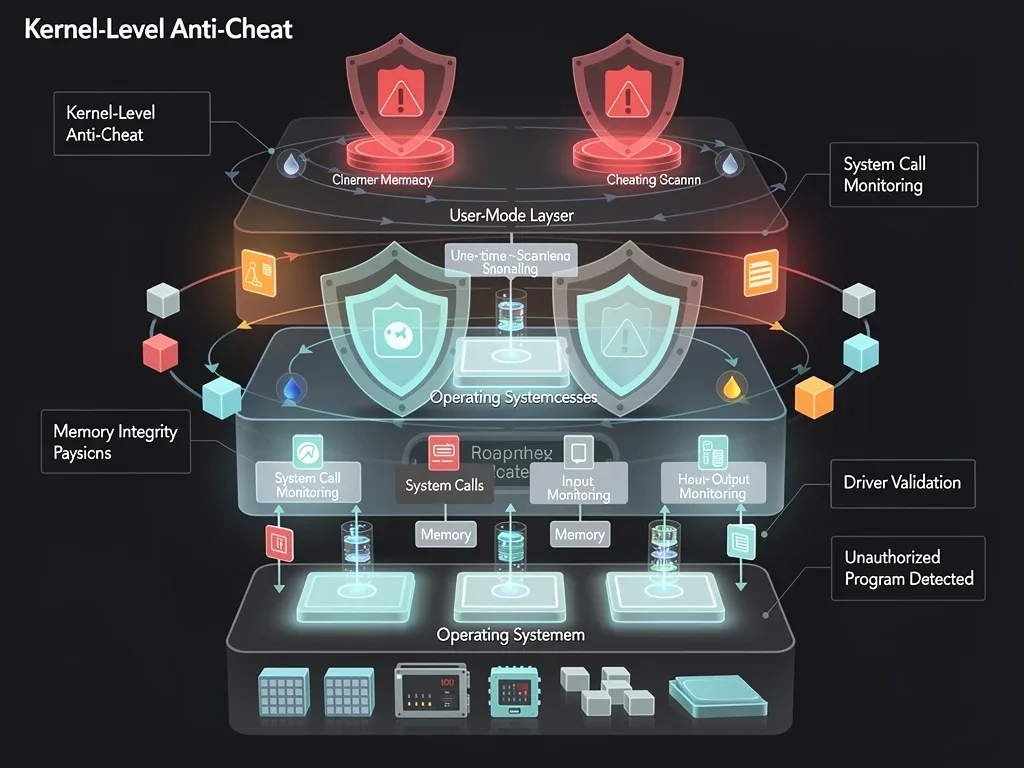
Kernel-level security represents the deepest form of anti-cheat integration within a computer system. Unlike user-mode anti-cheat solutions that operate at a higher level, kernel-level software runs with the highest privileges on an operating system, allowing it to monitor and detect cheating software more effectively. This deep integration is a double-edged sword, offering robust protection against sophisticated cheats while also raising concerns about privacy and system performance.
The primary motivation behind adopting kernel-level anti-cheat is to counter the increasingly complex and evasive methods employed by cheat developers. Cheaters continuously find new ways to bypass standard anti-cheat systems, often by operating at a lower level of the operating system where traditional defenses cannot reach. By implementing kernel-level security, game developers aim to create a more secure environment where cheats are much harder to develop, deploy, and remain undetected.
The Technicalities of Kernel Integration
When an anti-cheat system operates at the kernel level, it means it functions as a driver, essentially becoming part of the operating system itself. This allows it to scrutinize all processes running on the machine, including those that might attempt to mask themselves from detection. It can identify unauthorized modifications to game files, memory injection attempts, and other common cheating techniques with unparalleled precision.
- Root Access: Kernel-level anti-cheat gains root access, enabling it to detect and prevent malicious code from executing.
- Memory Monitoring: It can monitor system memory for patterns indicative of cheating software, making it harder for external programs to manipulate game states.
- Process Isolation: By operating at the core, it can isolate and flag suspicious processes that attempt to interact with the game in an unauthorized manner.
While effective, this level of access necessitates a high degree of trust between the user and the software developer. Any vulnerabilities in a kernel-level driver could potentially be exploited, leading to system instability or even security breaches. Therefore, rigorous testing and transparent communication from developers are paramount to maintaining player confidence.
The shift to kernel-level security is not new in the gaming industry; other major titles have adopted similar measures. However, its implementation in a popular competitive game like Apex Legends by Electronic Arts highlights a growing trend towards more aggressive anti-cheat strategies. This decision reflects the ongoing arms race between game developers and cheat creators, where the stakes are particularly high in esports, where fair play directly impacts professional careers and significant prize pools.
The Rationale Behind EA's Security Upgrade for Apex Legends
Electronic Arts' decision to implement kernel-level security for Apex Legends stems from a clear and urgent need to preserve the integrity of its competitive ecosystem. Cheating has long been a pervasive issue in online multiplayer games, but in titles with a burgeoning esports scene, its impact is magnified. A single cheater can ruin the experience for many, erode trust in the game, and undermine the legitimacy of competitive tournaments.
Apex Legends, with its fast-paced action and growing professional circuit, is particularly vulnerable to cheating. The competitive nature of the game means that even minor advantages gained through illicit means can significantly alter outcomes, affecting rankings, prize money, and player reputations. This vulnerability makes a robust anti-cheat system not just a luxury, but a necessity for the game's long-term health and the credibility of its esports aspirations.
Addressing the Cheating Epidemic
The introduction of kernel-level security is a direct response to the sophisticated nature of modern cheats. Traditional anti-cheat methods, often operating in user-mode, have proven insufficient against determined cheat developers who constantly adapt their techniques. These developers exploit vulnerabilities and create tools that can evade detection, leading to a frustrating experience for legitimate players.
- Enhanced Detection: Kernel-level access allows for deeper system scanning, enabling the detection of cheats that operate stealthily.
- Deterrence: The increased difficulty in creating undetected cheats serves as a significant deterrent for potential cheaters.
- Fair Play Environment: A more secure environment fosters fair competition, which is vital for the growth and sustainability of competitive Apex Legends.
EA's move signals a commitment to providing a level playing field, especially for its competitive players. By investing in this advanced security measure, they aim to reassure the community that their efforts to climb the ranks and compete professionally will not be undermined by malicious actors. This commitment is essential for maintaining player engagement and attracting new talent to the competitive scene.
Moreover, the reputation of a game developer can be severely damaged by widespread cheating. Players often abandon games that are perceived as being rife with cheaters, leading to a decline in player base and revenue. By taking a strong stance against cheating, EA is not only protecting its game but also its brand image, demonstrating a proactive approach to community concerns. This strategic decision aligns with the broader industry trend where game integrity is increasingly seen as a critical factor for success.
The 15-Day Transition Window: What It Means for Competitive Players
The announcement of a 15-day transition window for competitive Apex Legends players is a crucial aspect of EA's kernel-level security implementation. This period is not merely a grace period; it's a strategic allowance for players to adapt to the new security paradigm, both technically and mentally. For professional players, whose careers hinge on consistent performance and access to the game, this window is particularly significant.
During this transition, players are expected to ensure their systems are compatible with the new anti-cheat software and to address any potential conflicts that might arise. This could involve updating drivers, reconfiguring security settings, or even upgrading hardware to meet the demands of the more intrusive software. The short timeframe underscores the urgency of the change, pushing players to quickly integrate the new security measures into their competitive routines.
Adaptation Challenges and Solutions
Competitive players often operate highly optimized systems, and the introduction of a new kernel-level driver can introduce unforeseen variables. Performance impacts, software conflicts, and even system instability are potential challenges that players might encounter. The 15-day window requires them to troubleshoot these issues rapidly, often under pressure to maintain their practice schedules and competitive edge.
- System Compatibility: Players must verify that their operating system and hardware are fully compatible with the new anti-cheat.
- Software Conflicts: Identifying and resolving conflicts with existing software, such as other anti-cheat systems or system monitoring tools.
- Performance Monitoring: Closely monitoring game performance for any drops or inconsistencies attributable to the new security.
To navigate this period successfully, competitive players will likely rely on community support, official EA documentation, and their own technical expertise. Esports organizations may also provide support to their players, ensuring that their rosters are ready for the new anti-cheat. The goal is to minimize downtime and prevent any competitive disadvantage due to technical issues.
Furthermore, the transition window serves as a psychological adjustment period. Players must come to terms with the increased level of scrutiny on their systems, understanding that the anti-cheat is designed to protect the integrity of the game rather than infringe upon their privacy unnecessarily. Open communication from EA regarding the specifics of the anti-cheat's operation and data collection practices can help alleviate concerns and build trust within the competitive community, making the transition smoother for everyone involved.
Potential Impact on Competitive Apex Legends Ecosystem
The implementation of kernel-level security and the subsequent 15-day transition window are set to have a profound impact on the competitive Apex Legends ecosystem. While the primary goal is to foster a fairer environment, these changes will inevitably ripple through various aspects of professional play, from individual player routines to the broader organizational strategies of esports teams. The competitive landscape may see shifts as players adapt, and the meta-game could evolve in unforeseen ways.
One of the most immediate effects will be on the perceived fairness of competition. With a more robust anti-cheat in place, the specter of cheating should diminish, leading to increased confidence among players and viewers alike. This could attract more talent to the scene, as players feel more secure in their investment of time and effort into the game. Tournaments will carry more weight, knowing that the outcomes are genuinely based on skill and strategy.
Shifts in Player Preparation and Training
Competitive players will need to integrate compatibility checks and potential troubleshooting into their regular preparation routines. This might mean dedicating specific time during the transition period to test their setups thoroughly and ensure optimal performance with the new anti-cheat. Teams might also implement stricter protocols for system maintenance and software management to avoid any issues during critical matches.

- Pre-Match Checks: More rigorous system checks before competitive matches to ensure anti-cheat compatibility.
- Technical Support: Increased reliance on technical support, both from EA and within their organizations, for troubleshooting.
- Performance Optimization: Re-evaluating system configurations to maintain peak performance under the new security measures.
The psychological impact should not be underestimated either. Knowing that a powerful anti-cheat is actively monitoring their systems might influence how players approach their game, potentially fostering a greater sense of security and focus on pure gameplay. This could lead to a higher overall standard of play as players can concentrate fully on their strategies and mechanics without the constant worry of encountering cheaters.
For esports organizations, this change could lead to adjustments in how they scout and manage talent. A cleaner competitive environment means that raw skill and teamwork will be even more paramount, potentially shifting the focus away from concerns about external interference. The integrity of the competitive scene is a valuable asset, and EA's move is a clear investment in strengthening that foundation, promising a more legitimate and exciting future for Apex Legends esports.
Addressing Player Concerns: Privacy and Performance
The introduction of kernel-level security naturally brings forth a range of concerns from the player base, particularly regarding privacy and system performance. When software operates at such a deep level within an operating system, it can access a significant amount of data and resources, leading to legitimate questions about what information is being collected and how it might affect the user's computer. Electronic Arts has a critical responsibility to address these concerns transparently and effectively.

Privacy concerns often center on the extent of data collection. Players want to know precisely what kind of data the anti-cheat system is gathering, how it is stored, and who has access to it. Clear communication from EA about their data handling policies, adherence to privacy regulations, and the specific functions of the kernel-level driver can go a long way in assuaging these fears. Reassurances that the data collected is solely for anti-cheat purposes and not for broader surveillance are essential.
Mitigating Performance Issues and Building Trust
Another major concern is the potential impact on system performance. Kernel-level drivers can sometimes consume significant system resources, leading to frame rate drops, input lag, or even system crashes. For competitive players, even minor performance degradation can be the difference between victory and defeat. EA must ensure that their anti-cheat is optimized to have a minimal footprint on system resources.
- Resource Optimization: The anti-cheat must be designed to be as lightweight as possible, minimizing CPU and memory usage.
- Extensive Testing: Thorough testing across a wide range of hardware configurations to identify and resolve performance bottlenecks.
- Transparent Communication: Openly sharing information about the anti-cheat's technical specifications and impact on performance.
Building trust within the community is paramount for the successful adoption of kernel-level security. This involves more than just implementing effective technology; it requires consistent and honest dialogue with players. EA could consider publishing detailed FAQs, technical whitepapers, or even holding Q&A sessions with their anti-cheat developers to explain the necessity and functionality of the new system. Addressing player feedback and being responsive to reported issues during the transition window will be crucial for long-term acceptance.
Ultimately, the balance between robust security and player privacy/performance is delicate. EA's ability to navigate this balance will determine the success of their kernel-level anti-cheat initiative. By prioritizing transparency, optimization, and community engagement, they can transform initial apprehension into widespread acceptance and solidify the integrity of competitive Apex Legends.
Comparative Analysis: Kernel-Level Anti-Cheat in Other Titles
Electronic Arts is not the first publisher to implement kernel-level anti-cheat in its games. Several other prominent titles have adopted similar measures, providing a valuable context for understanding the potential outcomes and challenges for Apex Legends. Examining these precedents can offer insights into what competitive players and the broader community can expect regarding effectiveness, player reception, and ongoing development.
Games like Valorant, with its Vanguard anti-cheat, and Call of Duty: Warzone, with Ricochet, have famously employed kernel-level solutions. These implementations have generally been effective in reducing cheating, particularly against more sophisticated hacks that target lower levels of the operating system. The initial rollout for these systems often involved a period of adjustment for players, marked by discussions around privacy, performance, and occasional software conflicts.
Lessons from Industry Precedents
The experiences of other games highlight several key takeaways for EA and Apex Legends. One significant lesson is the importance of continuous updates and adaptation. Cheat developers constantly evolve their methods, meaning anti-cheat systems cannot remain static. Regular updates are necessary to counter new threats and maintain the system's effectiveness. This ongoing development requires dedicated resources and a responsive team.
- Continuous Evolution: Anti-cheat systems require constant updates to stay ahead of new cheating methods.
- Player Feedback Integration: Incorporating player feedback on performance and false positives is crucial for refinement.
- Transparency: Clear communication from developers about anti-cheat updates and their impact helps maintain player trust.
Another lesson is the need for excellent customer support. When players encounter issues related to the anti-cheat, whether it's a false positive ban or a performance problem, they need reliable channels to seek assistance. A robust support system can mitigate frustration and prevent legitimate players from being unfairly penalized or sidelined. The initial 15-day transition window for Apex Legends will be a critical test of EA's support infrastructure.
Furthermore, the long-term success of kernel-level anti-cheat hinges on its ability to strike a balance between security and user experience. While cheat prevention is paramount, it should not come at the cost of excessive system resource consumption or intrusive practices that alienate the player base. EA can learn from the successes and missteps of other developers to fine-tune their implementation, ensuring that Apex Legends benefits from enhanced security without compromising its competitive integrity or player satisfaction.
The Future of Anti-Cheat and Competitive Gaming Integrity
The implementation of kernel-level security in Apex Legends by Electronic Arts is a clear indicator of the direction anti-cheat technology is heading within competitive gaming. As games become more complex and the stakes in esports continue to rise, the battle against cheating will only intensify. This move by EA is not an isolated incident but rather a significant step in a broader industry trend towards more proactive and deeply integrated security measures.
The future of anti-cheat will likely involve even more sophisticated AI and machine learning algorithms to detect anomalous behavior patterns that might indicate cheating, even without direct detection of cheat software. These systems could analyze player movements, aiming patterns, and in-game statistics in real-time to flag suspicious activity, adding another layer of defense beyond traditional software-based detection. This would create a multi-faceted approach to security, making it exponentially harder for cheaters to operate undetected.
Evolving Security Paradigms
Beyond software, hardware-based security solutions could also play a more prominent role. Integrating anti-cheat functionalities directly into gaming hardware, such as processors or motherboards, could offer an even more secure environment. While this presents significant logistical challenges and higher costs, it represents the ultimate frontier in creating tamper-proof competitive gaming platforms. Such advancements would further solidify the integrity of competitive play.
- AI-Powered Detection: Utilizing artificial intelligence to identify subtle cheating patterns and anomalies.
- Hardware Integration: Exploring anti-cheat solutions embedded directly into gaming hardware for enhanced security.
- Collaborative Security: Increased collaboration between game developers, hardware manufacturers, and anti-cheat companies to develop unified solutions.
For competitive gaming, these advancements promise a future where skill and dedication are truly the sole determinants of success. A cleaner, fairer environment will undoubtedly attract more aspiring professionals and increase viewership, legitimizing esports as a mainstream competitive arena. The current 15-day transition window for Apex Legends players is a microcosm of the continuous adaptation required as technology evolves and the pursuit of fair play remains paramount.
Ultimately, the ongoing arms race between anti-cheat developers and cheat creators will continue. However, with each significant step like EA's kernel-level security, the industry moves closer to a state where competitive integrity is not just an aspiration but a consistently delivered reality. This commitment ensures that the spirit of competition, based on genuine talent, remains at the heart of games like Apex Legends.
| Key Aspect | Description |
|---|---|
| Kernel-Level Security | Deepest anti-cheat integration, operating at OS core for enhanced cheat detection. |
| 15-Day Transition | Window for competitive players to adapt systems and practices to new anti-cheat. |
| Competitive Integrity | Primary goal: ensure fair play and legitimize Apex Legends esports. |
| Player Concerns | Addressing privacy, performance impact, and system compatibility through transparency. |
Frequently Asked Questions About EA's New Security
What is kernel-level security?▼Kernel-level security refers to anti-cheat software that runs with the highest privileges on an operating system. This deep integration allows it to monitor and detect cheating software more effectively than user-mode solutions, providing robust protection against sophisticated hacks.
Why did EA implement this for Apex Legends?▼EA implemented kernel-level security to combat the pervasive issue of cheating in Apex Legends, especially within its competitive ecosystem. The goal is to preserve game integrity, ensure fair play, and protect the legitimacy of professional tournaments and player reputations.
What does the 15-day transition window entail?▼The 15-day transition window is a period for competitive players to adapt their systems and routines to the new anti-cheat. Players must ensure system compatibility, resolve software conflicts, and monitor performance to maintain their competitive edge.
What are the main concerns with kernel-level anti-cheat?▼Primary concerns revolve around player privacy due to deep system access and potential impacts on system performance. Players worry about data collection, resource consumption, and conflicts with other software. Transparency from EA is crucial to address these.
How will this affect competitive Apex Legends long-term?▼Long-term, it's expected to foster a fairer and more legitimate competitive environment, attracting more talent and increasing confidence in tournament outcomes. This will strengthen the game's esports scene, making skill and strategy paramount.
Conclusion
The implementation of kernel-level security by Electronic Arts in Apex Legends, accompanied by a 15-day transition window for competitive players, marks a pivotal moment for the game's integrity. This aggressive stance against cheating underscores EA's commitment to fostering a fair and reputable competitive environment, essential for the growth and sustainability of its esports ecosystem. While concerns regarding privacy and performance are valid, transparent communication and continuous optimization from EA will be crucial in building player trust and ensuring a smooth adaptation. Ultimately, this move aims to solidify Apex Legends' position as a premier competitive title, where genuine skill and strategic prowess are the true determinants of success.