CS2 Spring Patch: Map Overhauls & Sub-Tick Update
Advertisements
Valve's latest Counter-Strike 2 spring patch introduces significant changes, including three map overhauls and an updated sub-tick server architecture, aiming to refine gameplay and competitive integrity.
The gaming world is abuzz with the release of the latest update for Valve's tactical shooter. The new CS2 spring patch brings substantial modifications, notably overhauling three iconic maps and refining the game's sub-tick server architecture. These changes promise to reshape competitive play and offer a fresh experience for both veteran players and newcomers alike.
Understanding the CS2 Spring Patch Significance
The recent Counter-Strike 2 spring patch represents a pivotal moment for the game's evolution. Valve has a long history of meticulously refining its flagship titles, and this update is no exception. It signals a dedicated effort to address community feedback, enhance gameplay fluidity, and reinforce CS2's position as a leading esports title. Players have eagerly awaited significant content updates, and this patch delivers on multiple fronts, particularly with its focus on map design and server performance.

The significance of this patch extends beyond mere content additions. It reflects Valve's ongoing commitment to a dynamic and responsive game environment. By focusing on both visual and technical aspects, the developers aim to create a more immersive and fair competitive landscape. This holistic approach ensures that the game remains engaging and challenging for its diverse player base.
Community Expectations and Developer Response
The Counter-Strike community is known for its passionate and vocal feedback. Prior to this patch, discussions often revolved around map balance, visual clarity, and the nuances of the sub-tick system. Valve appears to have listened intently, integrating many of these points into the new update. This responsiveness builds trust and demonstrates a clear understanding of what players value most in their competitive experience.
- Addressing map imbalances: Specific areas on maps that were either too strong or too weak have been adjusted.
- Improving visual fidelity: Enhanced textures and lighting contribute to a clearer and more aesthetically pleasing environment.
- Refining sub-tick precision: Actions are now registered with greater accuracy, reducing perceived inconsistencies.
Ultimately, the spring patch is more than just a set of changes; it's a statement from Valve about the future direction of Counter-Strike 2. It sets a precedent for how future updates might be handled, balancing innovation with the preservation of the game's core identity. The immediate impact will be felt in competitive matches, as players adapt to the new layouts and exploit the refined mechanics.
Detailed Analysis of Map Overhauls
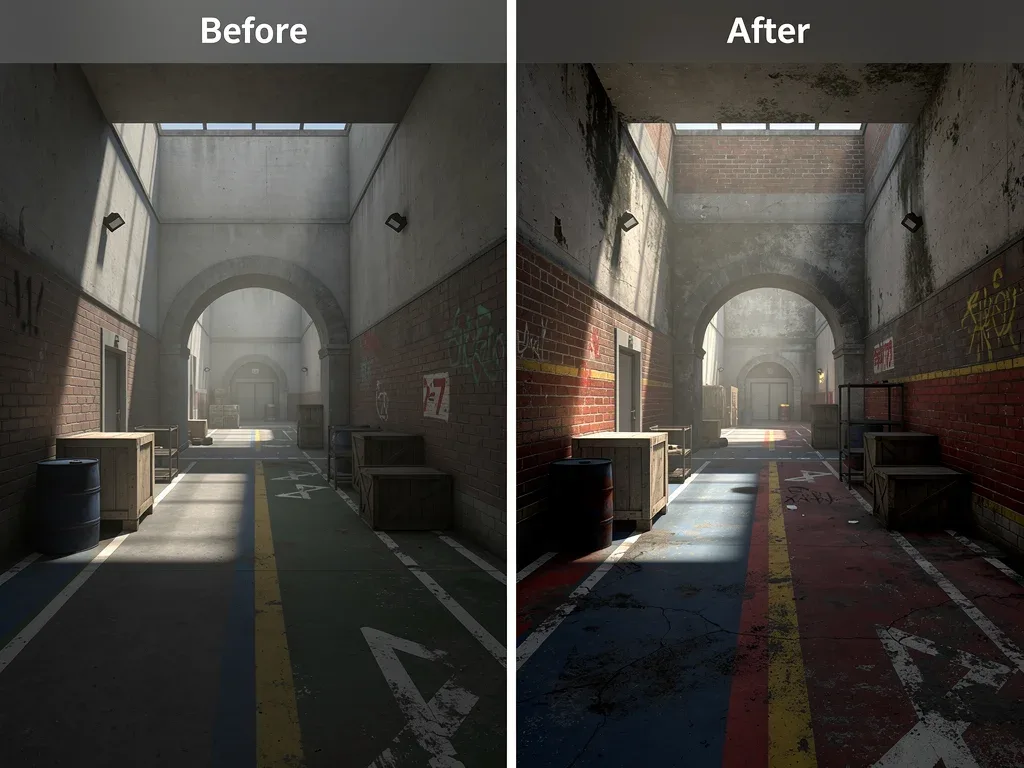
Central to the CS2 spring patch are the comprehensive overhauls of three iconic maps: Inferno, Nuke, and Ancient. These aren't just minor tweaks; Valve has reimagined significant portions of these battlegrounds, affecting everything from visual aesthetics to strategic pathways and cover points. Each map has received attention designed to refresh gameplay, rebalance encounters, and encourage new tactical approaches.
The goal of these overhauls is multifaceted. Firstly, they aim to improve visual clarity, making it easier for players to distinguish enemies and navigate complex environments. Secondly, they address long-standing balance issues, ensuring that both attacking and defending teams have equitable opportunities. Lastly, the changes are intended to inject new life into the competitive meta, forcing players to adapt and innovate their strategies.
Inferno: A Fiery Transformation
Inferno, a beloved and frequently played map, has seen some of the most noticeable changes. The primary focus here appears to be on streamlining certain areas and enhancing visibility. Players will likely find new angles to exploit and old ones that have been closed off, necessitating a fresh look at common strategies. The visual updates also contribute to a more modern feel, without losing the map's classic charm.
- Banana adjustments: Reworked cover and sightlines to promote more dynamic engagements.
- Mid-control enhancements: Changes designed to make mid-control more contested and impactful.
- CT spawn improvements: Better flow and options for counter-terrorists to react to pushes.
Nuke: Strategic Verticality Refined
Nuke, with its distinctive two-level layout, presents unique challenges. The overhaul focuses on refining its vertical gameplay and making both bomb sites more accessible and defensible. Expect changes that impact how teams approach ventilation systems, outside pushes, and the intricate pathways within the facility. These adjustments aim to make Nuke less predictable and more reliant on coordinated team play.
Ancient: Unearthing New Tactics
Ancient, a newer addition to the competitive map pool, has received an overhaul aimed at solidifying its place in the meta. The changes here are likely to focus on improving flow, reducing bottlenecks, and creating more varied engagement scenarios. Players will need to re-learn timings and angles, as Valve seeks to optimize Ancient for competitive integrity and player enjoyment.
In conclusion, these map overhauls are more than just cosmetic. They are fundamental shifts that will require players to revisit their understanding of these environments. The competitive landscape will undoubtedly shift as teams discover and master the new intricacies of Inferno, Nuke, and Ancient, making the game feel fresh and exciting.
The Evolution of Sub-Tick Server Architecture
Perhaps one of the most anticipated and impactful changes in the CS2 spring patch is the update to the sub-tick server architecture. This technical refinement aims to address one of the most critical aspects of competitive Counter-Strike: the precision and responsiveness of player actions. In a game where milliseconds can determine the outcome of a round, accurate registration of shots, movements, and utility usage is paramount.
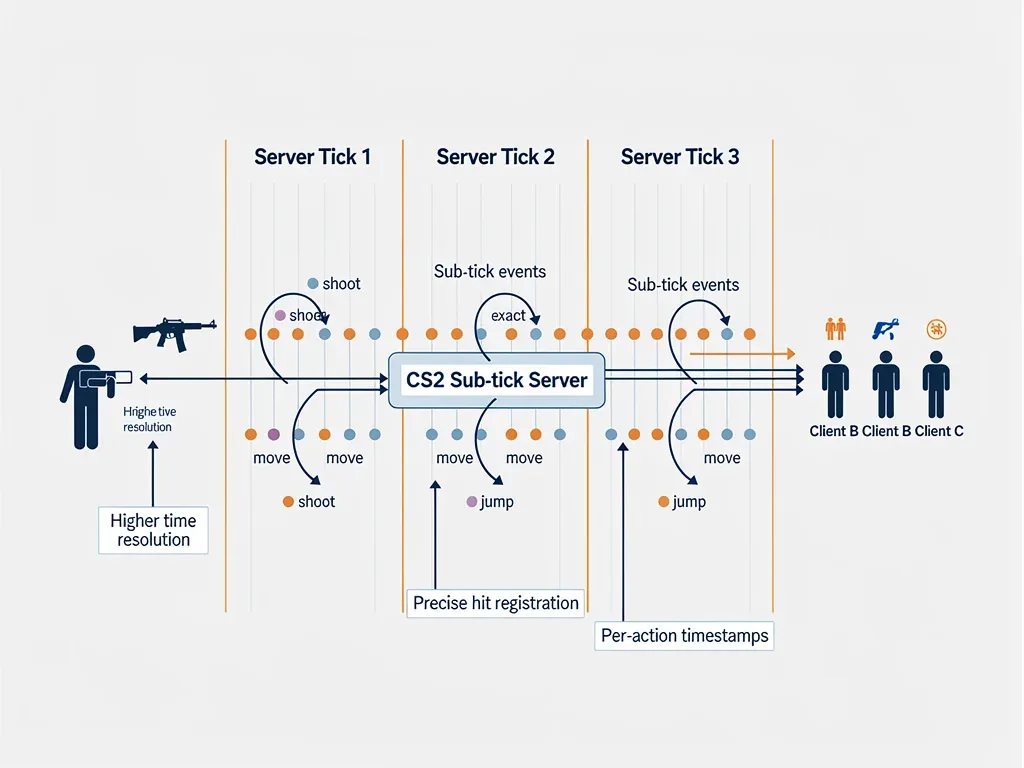
Prior to CS2, Counter-Strike operated on a traditional tick-rate system, where server updates occurred at fixed intervals (e.g., 64 or 128 times per second). CS2 introduced the sub-tick system, which records actions precisely when they happen, rather than waiting for the next server tick. This patch further refines that system, aiming to eliminate perceived inconsistencies and provide a truly 'what you see is what you get' experience.
How Sub-Tick Works and Its Improvements
The core concept of sub-tick is that the server knows the exact moment a player performs an action, such as firing a weapon or throwing a grenade, regardless of the server's tick rate. This means that a shot fired precisely between two ticks will still be registered accurately. The recent updates are likely focused on optimizing the algorithms and network code that govern this process, reducing latency and improving the consistency of action registration.
- Enhanced hit registration: Players should experience more reliable shot registration, leading to fewer 'ghost bullets.'
- Precise utility deployment: Grenades and smokes will land exactly where intended, improving tactical execution.
- Smoother movement: Player movement and peeking should feel more consistent and predictable.
These improvements are crucial for high-level competitive play, where even the slightest delay or inaccuracy can be the difference between a clutch play and a lost round. The updated sub-tick architecture aims to level the playing field, ensuring that skill and strategy are the primary determinants of success, rather than server-side discrepancies.
Impact on Competitive Play and Esports
The CS2 spring patch, with its map overhauls and sub-tick refinements, is poised to significantly impact the competitive Counter-Strike landscape and its thriving esports scene. Professional players and teams will need to rapidly adapt to the new environments and mechanics, potentially leading to shifts in team compositions, strategic approaches, and even individual player roles. This constant evolution is a hallmark of top-tier esports, keeping the game fresh and exciting for both participants and spectators.
Esports organizations will be analyzing the patch notes meticulously, with coaches and analysts working overtime to decipher the optimal strategies for the updated maps. The meta, or the prevailing strategies and playstyles, will undoubtedly undergo a significant transformation. This period of adaptation often leads to upsets and the rise of new talent, as teams that can innovate quickly gain an advantage.
New Strategies and Team Dynamics
The redesigned maps will force teams to rethink their defaults, executes, and retake strategies. Old smoke lineups might no longer be viable, and new power positions will emerge. This creates a dynamic environment where creativity and rapid adaptation are key. Teams that are rigid in their approach may struggle, while those willing to experiment will thrive.
- Rethinking map control: New pathways and cover mean different points of contention.
- Adjusting utility usage: Smoke, flash, and incendiary grenade placements will need re-evaluation.
- Individual player adaptation: Players must relearn angles, peeks, and timings on the overhauled maps.
Furthermore, the improved sub-tick architecture will empower players to execute their actions with greater confidence. This could lead to more aggressive plays, precise flick shots, and more consistent grenade throws, ultimately raising the overall skill ceiling of the game. Spectators can look forward to even more spectacular plays and tighter matches as a result of these technical improvements.
Player Experience and Community Feedback
The ultimate measure of success for any game update, especially one as significant as the CS2 spring patch, lies in the player experience and the subsequent community feedback. Valve's approach to this patch seems to be a direct response to player concerns and desires, indicating a strong commitment to fostering a positive and engaging environment for its vast player base. Initial reactions are always a mix of excitement and cautious optimism, as players delve into the changes.
A smoother, more consistent gameplay experience is the primary goal. The refined sub-tick system, in particular, aims to reduce frustration stemming from perceived hit registration issues or inconsistent action timing. When players feel that their inputs are accurately reflected in the game, it enhances their sense of control and fairness, which are vital for a competitive title. The map changes, while requiring adaptation, also offer a renewed sense of exploration and strategic depth.
Gathering and Responding to Player Insights
Valve typically monitors player data and community forums closely following major updates. This feedback loop is crucial for identifying any unforeseen issues or areas that might require further refinement. The initial days and weeks post-patch are critical for understanding how the changes are perceived by the wider player base, from casual enthusiasts to professional esports athletes.
- Bug reporting: Players will inevitably discover new bugs or glitches that need addressing.
- Balance discussions: Community discussions will highlight any new imbalances created by map changes.
- Performance monitoring: Technical feedback on server performance and client stability is essential.
The success of the spring patch will hinge on how well Valve continues to engage with its community and iterate on these changes. A responsive development team that actively communicates with its player base can turn initial concerns into long-term satisfaction. Ultimately, the patch aims to solidify CS2's foundation, ensuring it remains a premier destination for tactical shooter fans for years to come.
Looking Ahead: The Future of Counter-Strike 2
With the deployment of the CS2 spring patch, Valve has laid a significant groundwork for the future of Counter-Strike 2. This update is not merely a standalone event but rather a clear indication of the ongoing development cycle and the direction the game is heading. The focus on core gameplay mechanics and competitive map design suggests a long-term vision centered on refining the competitive experience and maintaining a vibrant, engaged player base. Players can anticipate a continuous stream of updates, each building upon the foundation established by this major patch.
The commitment to iterating on the sub-tick architecture demonstrates Valve's dedication to technical excellence, striving for a game that feels as precise and responsive as possible. Similarly, the map overhauls signal a willingness to evolve existing content rather than solely introducing new elements, ensuring that even familiar battlegrounds remain fresh and strategically challenging. This balanced approach to development is crucial for the longevity of a competitive title.
Anticipated Future Developments
While specific details are often kept under wraps, the patterns observed in this patch offer clues about what might come next for Counter-Strike 2. The community will undoubtedly be speculating on various possibilities, from new weapon skins and cosmetic items to further refinements in matchmaking and anti-cheat systems. Each aspect contributes to the overall health and appeal of the game.
- Additional map rotations: More maps might receive similar overhauls or new maps could be introduced.
- Gameplay mechanic tweaks: Continuous adjustments to weapons, economy, and movement.
- Esports ecosystem enhancements: Further support for professional play and tournament integration.
The future of Counter-Strike 2 appears bright, with Valve actively shaping its destiny through meaningful updates like this spring patch. The ongoing dialogue between developers and players, combined with a commitment to both technical innovation and content refinement, positions CS2 to remain a dominant force in the competitive gaming world. The community eagerly awaits what comes next, ready to embrace the evolving landscape of their beloved tactical shooter.
| Key Feature | Brief Description |
|---|---|
| Map Overhauls | Inferno, Nuke, and Ancient received significant visual and strategic redesigns. |
| Sub-Tick Server Update | Enhanced precision for player actions, improving hit registration and consistency. |
| Competitive Impact | Requires new strategies and adaptation from professional players and teams. |
| Player Experience | Aims for a fairer, more responsive, and visually engaging gameplay environment. |
Frequently Asked Questions About the CS2 Spring Patch
Which maps were overhauled in the CS2 spring patch?▼The latest CS2 spring patch includes significant overhauls for three popular maps: Inferno, Nuke, and Ancient. These changes involve both visual enhancements and strategic adjustments to various parts of each map, aiming to refresh gameplay and rebalance competitive encounters.
What does the updated sub-tick server architecture mean for players?▼The updated sub-tick server architecture enhances the precision of player actions. This means that events like shooting, moving, or throwing grenades are registered more accurately by the server, regardless of the tick rate. Players should experience more consistent hit registration and smoother gameplay.
How will these changes affect competitive Counter-Strike 2?▼The map overhauls and sub-tick improvements will significantly impact competitive play. Teams will need to develop new strategies, adapt to altered map layouts, and refine their utility usage. This could lead to a shift in the game's meta and new tactical approaches emerging in esports.
Are these map changes purely cosmetic, or do they affect gameplay?▼The map changes are far from purely cosmetic. While visual fidelity is improved, the overhauls include significant structural adjustments to cover, pathways, and sightlines. These modifications directly influence gameplay, requiring players to adapt their movement, aiming, and strategic decisions.
What is Valve's goal with this major spring patch?▼Valve's primary goal with this major spring patch is to refine and enhance the Counter-Strike 2 experience. By addressing community feedback, improving server precision, and updating map designs, they aim to foster a more engaging, fair, and competitively rich environment for all players.
Conclusion
The recent CS2 spring patch marks a significant evolutionary step for Counter-Strike 2. Through comprehensive map overhauls and crucial refinements to its sub-tick server architecture, Valve has demonstrated a clear commitment to enhancing the game's competitive integrity and overall player experience. These changes will undoubtedly reshape strategies, challenge professional teams, and offer a fresh perspective for the entire community. As players adapt to the new landscapes and benefit from more precise gameplay, the future of Counter-Strike 2 appears poised for continued growth and innovation, solidifying its place as a premier tactical shooter in the esports world.